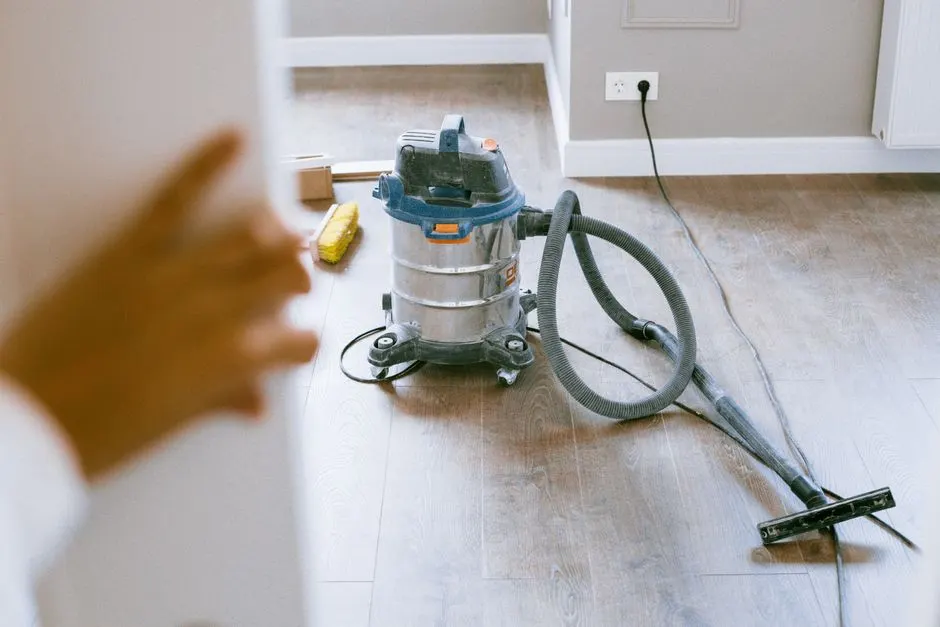
You dry out a flooded basement without causing mold by removing all standing water within 24 hours, running enough dehumidification and air movement to dry structural materials to below 15% moisture content, and treating any contaminated water as a biohazard. Mold needs three things: moisture, organic material like drywall paper or wood, and 24 to 48 hours of time. Remove the moisture fast enough and mold never gets its window. This guide walks you through the exact sequence we use on basement flood drying jobs across Colorado, from emergency extraction to final moisture checks, plus the mistakes that turn a two-day dry-out into a three-week mold remediation bill.
How to dry out a flooded basement without causing mold
How to dry out a flooded basement without causing mold is a sequence of water removal, structural drying, and moisture verification steps that must begin within hours of the flood, not days. The order matters more than the equipment. Pump first, extract second, dry third, verify last. Skip the verification and you will not know whether the job actually worked until you smell it.
We run this exact sequence on every Basement Water Removal in Colorado job because basements here dry differently than above-grade rooms. They are cooler, have less airflow, and often sit against soil that stays damp for weeks after a storm. If you live along the Front Range, the soil composition and freeze-thaw cycles make basement flooding a recurring problem, not a one-time event.
Why mold grows so fast after a basement flood
Mold can begin colonizing wet drywall, carpet backing, and wood framing in as little as 24 hours, and visible growth typically appears within 48 to 72 hours. That is not a scare tactic. It is the growth rate of common indoor molds like Aspergillus and Penicillium when relative humidity stays above 60% and a food source is present.
Your basement is basically a mold incubator after a flood. Drywall paper, cardboard boxes, carpet, and wood joists are all cellulose. Add standing water and a temperature between 60°F and 80°F, and you have ideal conditions. Colorado's dry climate helps above grade, but a flooded basement traps that moisture. We have pulled moisture readings of 28% to 35% from joists three days after a homeowner thought the floor was dry.
Category matters too. Clean water from a burst supply line is Category 1. Water that has touched soil, seeped through a foundation, or backed up from a drain is Category 2 or 3. Category 3 water, like sewage, requires removal of porous materials, not just drying. If your flood came from a Sewage Water Removal in Colorado situation, do not try to dry it in place.
Step-by-step: how to dry out a flooded basement without causing mold
Follow these steps in order. Rushing to step four before finishing step one is the most common reason basements grow mold after a flood.
- Stop the water source. If it is a burst pipe, shut off the main. If it is a sump pump failure, do not restart the pump until you know why it failed. If it is stormwater, wait until the rain stops and the water table drops.
- Document everything. Photos and video before you move anything. Your insurance adjuster will ask for them.
- Remove standing water. A wet/dry shop vac moves about 5 to 10 gallons before you empty it. A submersible pump moves 30 to 60 gallons per minute. For anything over an inch deep, pump first.
- Extract from carpets and pads. If carpet was wet more than 24 hours, pull it. Mold grows in the backing and pad faster than in the carpet face.
- Remove baseboards and drill weep holes. Baseboards trap water against drywall. Drill 1/4-inch holes along the bottom plate every 12 to 16 inches to let air into the wall cavity.
- Set up air movement. One box fan per 10 to 15 square feet of wet floor. Point them across the floor, not up at the ceiling.
- Run dehumidifiers. You need enough capacity to pull 50 to 100 pints per day for a typical 1,000-square-foot basement. One residential unit will not cut it.
- Monitor moisture daily. A pin-type moisture meter costs $40 to $80. Target below 15% for wood and below 1% for concrete.
- Do not rebuild until dry. New drywall over a wet stud cavity is a mold sandwich.
If you are in the middle of a storm event and the water is still coming in, call for Storm Water Removal in Colorado before you start extraction. Pumping water out of a basement while the water table is still high can crack the foundation floor.
How long does it take to dry a flooded basement in Colorado?
A flooded basement in Colorado typically takes 3 to 5 days to dry with professional equipment and 7 to 14 days with consumer-grade fans and dehumidifiers. The difference is not effort. It is capacity.
Professional drying uses LGR dehumidifiers that pull 80 to 150 pints per day, plus air movers that cycle the air in the room every 2 to 3 minutes. A homeowner setup with two box fans and a 30-pint dehumidifier cycles air every 20 to 30 minutes and removes a fraction of the moisture. That is why DIY dry-outs often look dry on the surface but read 20% moisture in the joists two weeks later.
Colorado's low humidity helps, but it also creates a false sense of security. A basement floor can feel dry to the touch while the concrete still holds water. We use thermal imaging and pin meters to find the wet spots you cannot see. If you are in an older neighborhood with stone or brick foundation walls, expect the drying to take an extra day or two because those materials hold moisture longer than poured concrete.
Basement drying methods that actually work
The methods that work are the ones that combine extraction, air movement, dehumidification, and moisture verification. No single method dries a basement on its own.
- Extraction: Removes bulk water. Wet/dry vacs for small jobs, truck-mounted or portable extractors for anything over 100 square feet.
- Air movers: High-velocity fans that evaporate moisture from surfaces into the air. You need 1 per 10 to 15 square feet.
- Dehumidifiers: LGR units for professional jobs, refrigerant units for small areas. Size to the cubic footage, not the square footage.
- Negative air machines: Used when mold is already present or when the flood was Category 3. These create negative pressure and exhaust air outside.
- Desiccant dehumidifiers: Used in cool basements below 60°F where refrigerant units lose efficiency.
- Injectidry or floor mat systems: Force air under hardwood and into wall cavities without demolition.
What does not work: opening windows in humid weather, running a single box fan, using a household dehumidifier rated for 30 pints, or pointing a space heater at wet drywall. Heat without airflow just bakes the surface and traps moisture underneath.
What causes mold after basement flooding in Colorado?
Mold after basement flooding in Colorado is caused by four things: incomplete water removal, inadequate drying capacity, porous materials left in place too long, and humidity that stays above 60% after the visible water is gone. The last one is the one homeowners miss.
You can extract every gallon of standing water and still grow mold if the relative humidity in the basement stays at 70% for three days. That is why we do not pack up the equipment when the floor looks dry. We pack up when the moisture meter reads dry and the humidity reads below 50%.
Colorado-specific causes we see regularly:
- Frozen pipe bursts in winter. A pipe that freezes and splits releases water for hours before anyone notices. By the time you find it, the drywall is saturated 18 inches up.
- Sump pump failure during spring storms. The pump runs constantly during snowmelt and spring rain. When it dies, the basin overflows.
- Foundation seepage after heavy rain. Water pushes through cracks and block walls. It looks minor until you pull the carpet back.
- Roof leak migration. Water enters at the roof and travels down inside the wall to the basement. You find the mold in the basement, but the leak is two floors up.
If you are dealing with any of these, the fix is not just drying. It is finding and stopping the source. We handle Burst Pipe Water Removal in Colorado and frozen pipe emergencies year-round, and the drying protocol is the same once the water is off.
Common mistakes that lead to mold
The mistakes that lead to mold are almost always about timing and completeness, not about effort. Homeowners work hard on these jobs. They just work on the wrong things first.
- Waiting for the insurance adjuster before extracting water. Every hour counts. Document, then extract. You can photograph after the water is gone.
- Using a shop vac as the only extraction tool. A 5-gallon shop vac removes about 5 gallons before you empty it. A 500-square-foot basement with an inch of water holds over 300 gallons.
- Running fans without dehumidification. Fans move moisture into the air. Without a dehumidifier, that moisture settles back into the drywall and joists.
- Leaving wet carpet and pad in place. Carpet pad is a sponge. If it was wet more than 24 hours, it is a mold source. Pull it.
- Not drilling weep holes. Water trapped behind baseboards and inside wall cavities will not dry no matter how many fans you run.
- Rebuilding too soon. New drywall over a wet stud cavity traps moisture and grows mold inside the wall where you cannot see it.
- Skipping the moisture meter. Touch is not a measurement. A $50 meter saves thousands in remediation.
When to call a professional
Call a professional when the water is deeper than one inch, when the flood came from a sewage backup or outdoor source, when the affected area is over 100 square feet, or when you cannot get the basement below 15% moisture within 48 hours. Those are the conditions where DIY drying fails and mold wins.
We also get calls when homeowners have done everything right but the basement still smells musty two weeks later. That smell is the tell. It means moisture is trapped somewhere the fans cannot reach. Our team uses thermal imaging and pin meters to find it, then dries it with equipment sized for the job. We handle Standing Water Removal in Colorado and full structural drying, and we tell you upfront what it will cost before we start.
If you are in the Denver metro, we are often on site the same day. If you are further out, we will tell you honestly how fast we can get there and what to do in the meantime.
Frequently Asked Questions
How do I dry out a flooded basement without causing mold in Colorado?
Remove all standing water within 24 hours, extract carpets and pads, drill weep holes in baseboards, run one air mover per 10-15 square feet, and use a dehumidifier rated for at least 50 pints per day. Target below 15% moisture in wood and below 1% in concrete. Colorado's dry air helps, but you still need mechanical drying.
How long does it take to dry a flooded basement in Colorado?
With professional equipment, 3 to 5 days. With consumer fans and a small dehumidifier, 7 to 14 days. The difference is dehumidification capacity and air movement. If your basement is still reading above 15% moisture after 48 hours, you need bigger equipment or a pro.
Should I call a water removal company to dry my basement in Colorado?
Yes, if the water is deeper than one inch, covers more than 100 square feet, came from a sewage or outdoor source, or if you cannot dry it below 15% moisture within 48 hours. Those conditions are where mold grows. A pro brings LGR dehumidifiers, air movers, and moisture meters that consumer gear cannot match.
How much does basement water removal and drying cost in Colorado?
Typical 2026 pricing in Colorado runs $1,200 to $3,500 for a standard basement flood, depending on square footage, water category, and how much material needs removal. Sewage backups and finished basements run higher, often $3,000 to $7,000. Most homeowner insurance policies cover the drying portion.
What causes mold after basement flooding in Colorado?
Mold grows when moisture stays above 60% relative humidity for 24 to 48 hours on organic materials like drywall, wood, or carpet. Incomplete extraction, undersized dehumidifiers, wet carpet left in place, and not drilling weep holes are the most common causes. Colorado's dry climate does not prevent mold in a sealed, wet basement.
Get help with Water Removal in Colorado
If your basement is flooded right now, the clock is running. We extract the water, dry the structure, and verify with moisture meters before we leave. Call CO Water Remover Pros at (833) 640-1438 and we will tell you exactly what it takes to dry your basement without mold.