CO Water Remover Pros
Get Estimate

Storm Water Removal in Colorado, Done Right the First Time

24/7 storm water extraction across Colorado, from Pueblo to Fort Morgan


Storm Water Removal in Colorado starts the moment you call (833) 640-1438. Our crews pull standing water out of basements, crawl spaces and garages after Front Range hail storms, mountain snowmelt and flash flooding. We extract, dry and sanitize so your floors, framing and foundation stop absorbing water. Same-day storm water extraction in Colorado, licensed and insured, 15 years on the job.

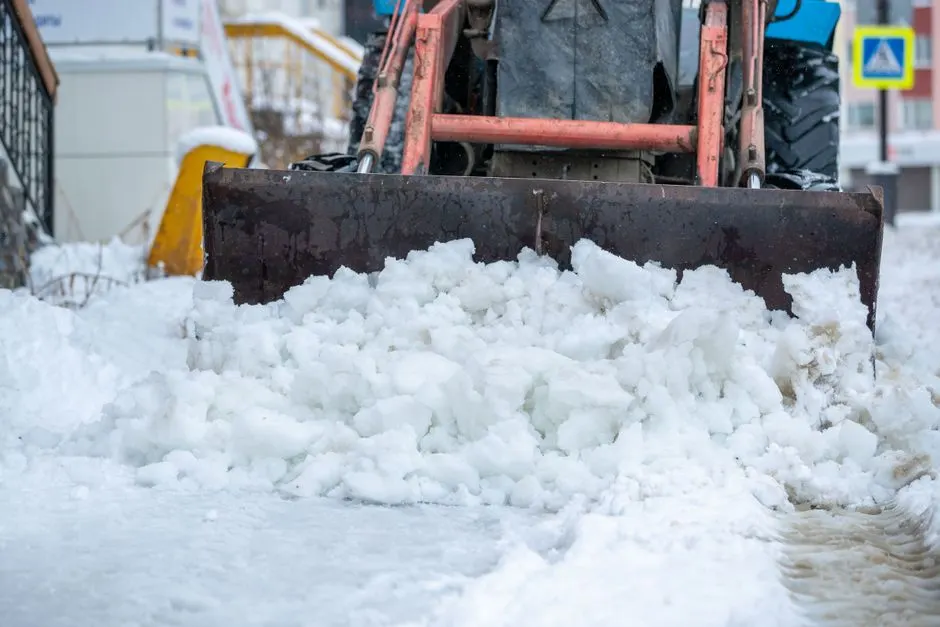
Snow plow clearing icy street after heavy winter snowstorm. Extreme cold weather conditions.
Licensed Licensed & Bonded
Fully Insured Insured & Bonded
24/7 Emergency Same-Day Response
Warranty Backed 15+ Years Trusted

What Our Storm Water Removal Service Includes

Every storm water job we run includes the full extraction-to-drying sequence. We do not quote extraction without drying, because pulling water and leaving the structure wet just moves the problem. Here is what is covered on a standard job, and what we handle as an add-on when the situation calls for it.

Emergency Water Extraction

Submersible pumps for standing water, truck-mounted extractors for carpet and pad, and portable units for tight spaces. We extract until the surface is dry to the touch, then keep going with drying equipment to pull moisture out of the structure.

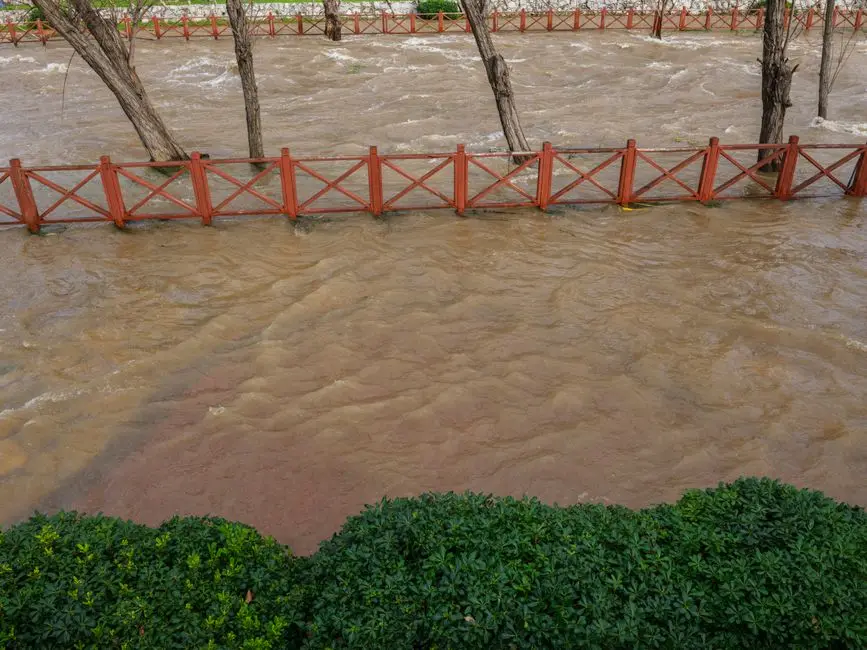
Structural Drying Setup

Dehumidifiers, air movers and drying mats positioned based on moisture meter readings, not guesswork. We run the equipment 3 to 5 days and check readings daily until the structure hits dry standard under ANSI/IICRC S500.

Antimicrobial Treatment

We apply antimicrobial spray to wet framing, subfloor and drywall edges after extraction. This is not a substitute for drying, but it stops surface mold from getting a foothold while the structure dries out over the next several days.

Moisture Mapping and Documentation

Thermal imaging camera and moisture meter readings at every affected area, photographed and logged. You get a written drying report at the end that your insurance adjuster can use to process the claim without back-and-forth.

Debris and Contaminated Material Removal

When storm water mixes with sewage or soaks materials beyond saving, we remove and dispose of contaminated carpet, pad and drywall. We follow ANSI/IICRC S520 Standard for Category 3 water and handle disposal properly.

What Storm Water Removal in Colorado Actually Involves


Storm Water Removal in Colorado is the process of pumping, extracting and drying storm-driven water out of a building before it warps floors, saturates framing and grows mold. It is not one machine and a shop vac. We start with a submersible pump for the deep stuff, follow with a truck-mounted water extractor on carpet and pad, then set dehumidifiers and air movers to pull moisture out of the structure itself. A moisture meter and thermal imaging camera tell us where the water actually went, not just where you can see it.

Colorado storm water gets in through predictable paths: window wells, failed sump pumps, roof leak water damage, crawl space standing water and sewer backups after a heavy rain. Hail storms along the Front Range can dump an inch in 20 minutes and overwhelm a yard's drainage in a single afternoon. When that happens, emergency storm water removal in Colorado is a race against mold, which can start colonizing wet drywall in 24 to 48 hours. The faster we extract, the less material we have to tear out.

How Our Storm Water Removal Process Works

Five steps, from the first call to a dry, verified structure. Here is exactly what happens when you hire us.

01

Schedule

Call or book online — a real human picks up and confirms a 2-hour arrival window.

02

Diagnose

Licensed tech inspects on-site, then walks you through the cause and your options.

03

Fix

The job is completed to code and done right the first time — no shortcuts, no surprises.

04

Guarantee

Every job backed by a written workmanship warranty — and we stand behind it.

Equipment and Methods We Use

Tools & Equipment

Truck-Mounted Water Extractor

High-volume extraction for carpet, pad and large open areas. Pulls water faster than any portable unit and cuts drying time significantly on big basement jobs.

Submersible Pump

First tool in when standing water is deeper than 2 inches. Moves hundreds of gallons per hour to a safe discharge point before we switch to extraction equipment.

Thermal Imaging Camera

Finds water hiding behind walls, under tile and inside ceiling cavities. We use it to map the actual wet zone, not just what is visible on the surface.

Moisture Meter

Reads moisture content in drywall, wood and subfloor. We use it at every stage to confirm the structure is drying and to know when it has hit dry standard.

Dri-Eaz Dehumidifiers and Air Movers

The drying workhorses. Dehumidifiers pull moisture from the air while air movers keep it circulating so the structure dries evenly and fast.

HEPA Air Scrubber

Filters airborne mold spores and dust during and after extraction. Important on Category 3 water jobs and any situation where mold may already be present.

Drying Mats

Placed on hardwood and specialty floors to dry from underneath without causing warping. Lets us save flooring that would otherwise need to be torn out.

Methods & Standards

ANSI/IICRC S500 Standard

The industry standard for water damage restoration. It defines how we classify water, how we set drying equipment, and how we verify the structure is dry. We follow it on every job, and we document our readings against it.

Moisture Mapping

We take moisture meter and thermal imaging readings at every affected area, then re-check daily. This tells us whether the drying is working and when we can pull equipment. No guessing, no pulling early.

Antimicrobial Application

After extraction, we apply antimicrobial spray to wet framing, subfloor and drywall edges. It does not replace drying, but it stops surface mold from getting a foothold while the structure dries over the next several days.

Category 3 Water Handling

When storm water mixes with sewage, we treat it as contaminated under ANSI/IICRC S520 Standard. That means PPE, removal of unsalvageable materials, and proper disposal. We do not cut corners on sewage-affected jobs.

When to Call for Storm Water Removal

01

A summer hail storm dumps an inch of rain in 20 minutes and your window wells fill faster than they drain.

What we do: We pump the window wells, extract water from the basement floor and any soaked carpet, and set drying equipment. We also check the window well drains and grade around the foundation to see why it backed up.

→ Water out the same day, structure dry in 3 to 5 days, and a clear answer on what to fix so it does not happen again next storm.

02

You wake up at 2 a.m. to the sound of water running and find your sump pump has failed during an overnight storm.

What we do: We dispatch a crew immediately, pump the standing water, extract from carpet and pad, and set drying equipment before sunrise. We document the pump failure for your insurance claim.

→ Extraction done before mold has a chance to start, and a drying log that supports your claim.

03

Spring snowmelt saturates the ground and water seeps into your crawl space for the third year in a row.

What we do: We pump out the standing water, dry the space with desiccant dehumidifiers, and lay a moisture barrier to block ground vapor. We also check for pipe insulation and heat tape issues while we are in there.

→ A dry crawl space, lower indoor humidity, and a barrier that keeps the problem from coming back next spring.

04

A storm blows shingles off your roof and water stains appear on the ceiling two days later.

What we do: We trace the leak with a thermal imaging camera, extract water from the attic insulation and ceiling cavity, and dry the framing. We document the damage for your roofer and adjuster.

→ Framing dried before rot sets in, and a documented claim that covers both the roof repair and the interior water damage.

How Storm Water Removal Works in Colorado

Colorado storm water is not a one-size problem. The Front Range gets hail-driven flash flooding that overwhelms yard drainage in minutes, while mountain towns like Alma and Nederland deal with snowmelt and frozen pipe failures well into spring. The Eastern Plains, from Byers to Fort Morgan, sit on clay soils that drain slowly, so water pools against foundations instead of soaking away. Building stock matters too. Older homes in Pueblo and Eldorado Springs often have vented crawl spaces and aging galvanized plumbing, while newer builds in Castle Rock and Erie come with finished basements and sump systems that can fail under load. We size equipment and drying plans to the actual house, not a template. If you need storm water removal and drying Colorado done to standard, we bring the meters and the documentation to prove it.

Neighborhoods We Serve

  • Pueblo

    Older brick homes with vented crawl spaces and clay soil. Water tends to pool against foundations and seep in at the base of basement walls.

  • Castle Rock

    Newer builds with finished basements and sump systems. When a pump fails during a storm, the water spreads fast across carpet and pad.

  • Nederland

    Mountain town with snowmelt and frozen pipe risk. Crawl space water and burst pipes are common calls in late winter and early spring.

  • Fort Morgan

    Eastern Plains clay soil drains slowly. Storm water pools against foundations and finds its way into basements and crawl spaces.

  • Eldorado Springs

    Canyon properties with steep runoff and older construction. Water comes in fast during flash flooding and needs immediate extraction.

Local Conditions We Plan For

  • Front Range hail storms dropping an inch in 20 minutes

    Yard drainage and window wells overflow, and water enters basements and crawl spaces fast. We stage equipment to respond within 90 minutes in the metro.

  • Mountain snowmelt and frozen pipe failures

    Water releases slowly over days, often in crawl spaces and exterior walls. We use thermal imaging to find it and dry the structure before mold sets in.

  • Eastern Plains clay soil that drains slowly

    Water pools against foundations instead of soaking away. We check grading and drainage while we are on site and document what needs to change.

  • Older homes with vented crawl spaces and aging plumbing

    Crawl space standing water and burst pipe flooding are common. We pump, dry, and lay moisture barriers to keep ground vapor out.

Pueblo Basement After June Storm

Before

A June storm dropped two inches in under an hour and a Pueblo basement took on four inches of water. Carpet and pad were soaked, and water had wicked up the bottom 6 inches of drywall.

After

We pumped and extracted the water, removed the soaked carpet and pad, and ran dehumidifiers and air movers for four days. Moisture meter readings matched a dry reference room before we pulled equipment. The drywall was saved with no tear-out needed.

Maintenance: We recommended a battery backup sump pump and regrading the window well. Both are inexpensive fixes that prevent a repeat next storm season.

Before

A sump pump died during a hail storm and a finished Castle Rock basement took on 2 inches of water across 800 square feet. Carpet, pad and the bottom of the drywall were saturated.

After

We extracted the water, pulled the carpet and pad, and dried the subfloor and framing for 5 days. The moisture log showed dry standard on day 5. The homeowner's insurance covered the carpet replacement and drying.

Maintenance: We installed a new sump pump with a battery backup and tested it under load. The homeowner now checks the pump every spring before storm season.

Before

Storm water had been sitting in a Fort Morgan crawl space for two days. Floor joists were wet, humidity was high, and the homeowner noticed a musty smell inside the house.

After

We pumped out the standing water, ran desiccant dehumidifiers for 4 days, and laid a 6-mil moisture barrier on the ground. Joist moisture readings dropped to acceptable levels, and the musty smell cleared.

Maintenance: We recommended checking the crawl space vents and grading around the foundation each fall. The moisture barrier keeps ground vapor from coming back.

Colorado Storm Water Problems We Solve

Storm water finds the weak point in every building. These are the calls we get most often across Colorado, and how we handle each one.

Problem

Basement flooding after a heavy Front Range storm

Standing water soaks carpet, pad and drywall within hours, and mold can start growing in 24 to 48 hours. Finished basements lose thousands in flooring and framing if extraction is delayed.

Our Fix

We pump and extract the water, pull soaked carpet and pad, dry the subfloor and framing with dehumidifiers and air movers, and document everything for your insurance claim. Most basements are dry to standard in 3 to 5 days.

Problem

Sump pump failure during a storm

A dead pump means water rises fast with nowhere to go. By the time you notice, the water is often 2 to 4 inches deep and spreading into adjacent rooms.

Our Fix

We extract the standing water, dry the affected area, and check whether the pump can be salvaged or needs replacement. We can also advise on a battery backup so the next storm does not repeat the problem.

Problem

Crawl space standing water from snowmelt or rain

Crawl space water rots floor joists, warps subfloor and feeds mold you cannot see. It also drives up indoor humidity and makes the whole house feel damp.

Our Fix

We pump out the water, dry the space with desiccant dehumidifiers, and lay a moisture barrier on the ground to block vapor. We also check for pipe insulation damage and heat tape failures while we are under there.

Problem

Roof leak water damage after hail

Hail punches through shingles and water runs down into attic insulation and ceiling cavities. You see a ceiling water stain days later, by which point the framing is already wet.

Our Fix

We trace the leak path with a thermal imaging camera, extract water from insulation and ceiling cavities, dry the framing, and document the damage so your roofer and adjuster have a clear picture of what happened.

Why Colorado Homeowners Call Us First

Why Colorado Homeowners Call Us First

Storm water does not wait for business hours, and neither do we. Here is what you get when our crew pulls up.

  • Same-Day Extraction

    Most storm water calls in Colorado get a crew on site the same day, often within 90 minutes in the Denver metro. We pump, extract and set drying equipment before the water has time to wick into baseboards and wall cavities.

  • Mold Stopped Early

    Mold can start growing on wet drywall in 24 to 48 hours. We use a moisture meter and thermal imaging camera to find hidden saturation, then dry the structure to ANSI/IICRC S500 standard so you are not tearing out walls three weeks later.

  • Insurance-Ready Documentation

    We photograph, meter and log every wet area before, during and after extraction. That file is what your adjuster needs to approve storm damage water cleanup Colorado claims without a fight over scope or cause.

  • Direct Billing Available

    We work with most major carriers and can bill storm water extraction Colorado work directly in many cases. You get one clear number for your out-of-pocket portion before we start, not a surprise invoice after.

Licensed, Certified and Documented

Licensed & Certified

  • IICRC WRT (Water Restoration Technician) — issued by Institute of Inspection, Cleaning and Restoration Certification
  • IICRC ASD (Applied Structural Drying) — issued by Institute of Inspection, Cleaning and Restoration Certification
  • IICRC AMRT (Applied Microbial Remediation) — issued by Institute of Inspection, Cleaning and Restoration Certification
  • OSHA 10-Hour Construction Safety — issued by Occupational Safety and Health Administration
  • Colorado Contractor License — issued by State of Colorado

Verified Reviews

Google ★★★★★4.9

Called at 11 p.m. after a storm flooded our basement. Crew was here in about an hour and a half. They pumped, extracted and set equipment, and had a drying log for our insurance. No surprises on the bill.

Yelp ★★★★★4.8

Our crawl space had standing water for two days before we called. They pumped it out, dried it with desiccant units, and laid a moisture barrier. The musty smell is gone and the joists are dry.

BBB ★★★★★4.9

Professional from the first call. They explained the process, gave us a clear price, and checked moisture readings every day. Our adjuster said the documentation was the best he had seen from a water company.

15 Years of Colorado Water Damage Work

CO Water Remover Pros has been pulling storm water out of Colorado homes since 2011. Our technicians hold IICRC WRT (Water Restoration Technician) and IICRC ASD (Applied Structural Drying) certifications, and we follow the ANSI/IICRC S500 Standard on every job. We have worked flooded basements in Pueblo, crawl spaces in Nederland, and storm-damaged garages in Fort Morgan. That range matters, because a 1920s brick bungalow in Pueblo handles water differently than a new build in Castle Rock with a finished basement and a sump pump.

  • IICRC WRT and ASD certified technicians on every storm water crew
  • ANSI/IICRC S500 drying standard followed on every job, no shortcuts
  • 15 years serving Colorado, from the Front Range to the Eastern Plains
  • Direct insurance billing and adjuster-ready documentation on every claim
  • 24/7 emergency dispatch, including holidays and overnight storm calls
Get Started Today
15 Years of Colorado Water Damage Work

Storm Water Removal in These Colorado Cities

We cover the whole state, from the Front Range metro to the Eastern Plains and the foothills. Storm water extraction Colorado work looks different in each town, so we size equipment and drying plans to the local climate, soil and building stock. Here are some of the communities we serve regularly.

What Colorado Customers Say

Real experiences from customers who chose our Storm Water Removal services.

“A June storm dumped two inches in under an hour and my basement took on about four inches of water. CO Water Remover Pros had a crew here in 80 minutes. They pumped it out, set dehumidifiers and air movers, and checked readings every day for four days. My adjuster approved the claim without a single question.”

M

Marcus T.

Homeowner, Pueblo

“My sump pump died during a hail storm and the finished basement was soaked. They pulled the carpet, dried the pad and subfloor, and sprayed everything with antimicrobial. The moisture meter readings matched a dry room in the house before they pulled equipment. That is how you know it is actually dry.”

S

Sandra K.

Homeowner, Castle Rock

“We had storm water sitting in a crawl space for two days before I called. They pumped it out, ran desiccant dehumidifiers, and laid a moisture barrier so it would not happen again. Straight answers on price, no upselling, and they showed me the drying log at the end.”

D

Dale R.

Property Owner, Fort Morgan

Storm Water Removal Questions Colorado Homeowners Ask

Real answers to the questions we hear most often from local homeowners and property managers.

How much does storm water removal cost in Colorado?
Most residential storm water jobs in Colorado run $500 to $3,500 in 2026, depending on water depth, square footage and how long drying takes. A single flooded room with a few days of drying sits near the low end. A finished basement with 4 inches of water and 5 days of equipment runs higher. We give you a clear number before we start.
Who do I call for storm water extraction in Colorado?
Call CO Water Remover Pros at (833) 640-1438. We are a licensed, insured Colorado water removal company with IICRC-certified technicians and 24/7 dispatch. We handle extraction, drying, sanitizing and insurance documentation in one job, so you are not coordinating three separate contractors while your basement keeps soaking.
How fast can you remove storm water in Colorado?
Extraction usually takes 2 to 4 hours once we are on site. Drying the structure takes 3 to 5 days after that. In the Denver metro we typically arrive within 90 minutes of your call. Outlying towns like Alma, Beulah or Deer Trail may run 2 to 3 hours depending on road conditions.
Does insurance cover storm water removal in Colorado?
Most homeowner policies cover storm-driven water intrusion, including hail storm water removal Colorado claims, though flood damage from rising groundwater usually needs a separate flood policy. We document everything with photos and moisture readings, work directly with your adjuster, and can bill the carrier in many cases. You pay only your deductible and any uncovered portion.

Other Water Removal Services We Handle

Flood Water Removal

When storm water turns into full flooding, we scale up with high-volume pumps and multiple extraction units. Same crew, same documentation, same drying standard. We handle flooded basements, garages and crawl spaces across Colorado after heavy rain events.

View Flood Water Removal

Burst Pipe Water Removal

A burst pipe can dump 100 gallons before you find the shutoff. We extract the water, dry the structure, and coordinate pipe repair clamps or a plumber for the fix. Common in older Colorado homes with aging copper and galvanized lines.

View Burst Pipe Water Removal

Frozen Pipe Water Removal

Colorado winters crack pipes in unheated crawl spaces and exterior walls. We thaw with heat tape and infrared equipment, extract the released water, and dry before mold sets in. We also insulate lines to prevent a repeat next January.

View Frozen Pipe Water Removal

Basement Water Removal

Finished basements are the most common storm water call we get. We pull water off carpet and pad, dry the subfloor, and check behind drywall with a thermal imaging camera. If a sump pump failed, we document that for your insurance claim.

View Basement Water Removal

Sewage Water Removal

Storm water that mixes with sewage is a Category 3 hazard. We extract, remove contaminated materials, and treat the space with antimicrobial spray under ANSI/IICRC S520 Standard. Do not try to shop-vac this yourself. It needs proper PPE and disposal.

View Sewage Water Removal

Crawl Space Water Removal

Crawl space standing water rots floor joists and feeds mold fast. We pump it out, dry with desiccant dehumidifiers, and lay a moisture barrier to keep ground vapor from coming back. Common in older Colorado homes with vented crawl spaces.

View Crawl Space Water Removal

Need Storm Water Removal in Colorado Right Now?

We are licensed, insured and answering the phone 24/7. Call (833) 640-1438 and a real crew gets dispatched, usually within 90 minutes in the metro. Same-day extraction, honest pricing, and drying done to IICRC standard.

Call (833) 640-1438 Call Now

Call Us for Water Removal in Colorado

We answer the phone 24/7, including holidays and the middle of the night. Tell us what happened and where you are in Colorado, and we will dispatch the closest crew. Most metro calls get a tech on site within 60 to 90 minutes.

Or call us right now at (833) 640-1438 — we answer.

CO Water Remover Pros


  • Address

    Serving Statewide, Colorado

  • Hours

    Mon–Fri: 7AM – 7PM
    Sat: 8AM – 4PM
    Sun: Emergency Only
    24/7 Emergency Available

Call (833) 640-1438 Get Quote
Call Quote