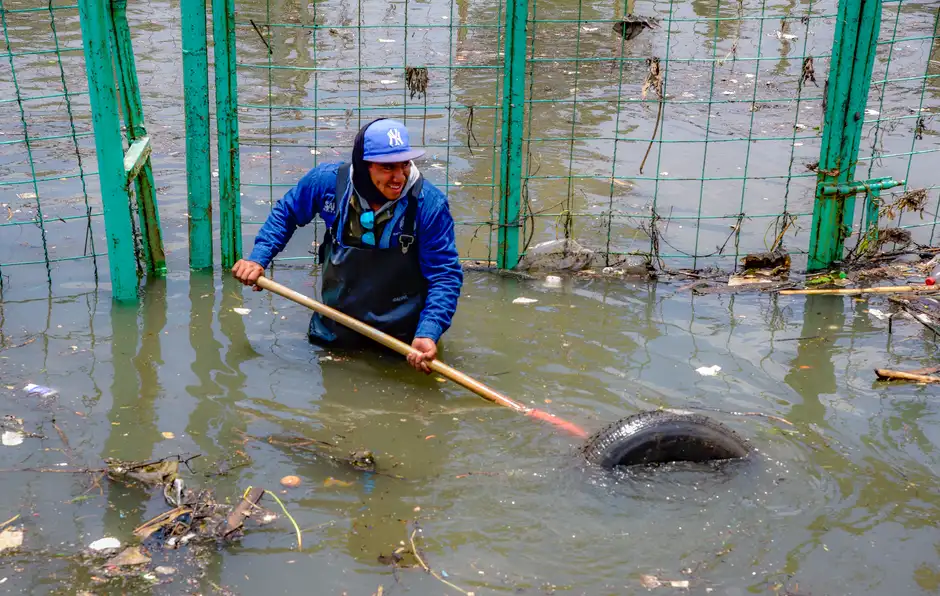
Emergency Water Extraction
Submersible pump for deep water, truck-mounted extractor and portable units for carpet, pad and hard flooring. We pump to a safe discharge point and keep going until the surface is dry to the touch.
Every standing water job starts with the same core scope: find the source, extract the water, dry the structure, sanitize affected surfaces, and document the loss. Add-ons like source repair, material replacement or crawl space encapsulation are quoted separately once we see the damage.
Submersible pump for deep water, truck-mounted extractor and portable units for carpet, pad and hard flooring. We pump to a safe discharge point and keep going until the surface is dry to the touch.
Moisture meters, thermal imaging cameras and infrared thermometers locate hidden water behind walls, under floors and in ceiling cavities. Without this step, you dry the visible area and leave the rest to mold.
Air movers, dehumidifiers and, when needed, desiccant units and drying mats placed to pull moisture from framing, subfloor and wall cavities. We monitor readings every 24 hours and adjust until dry.
Antimicrobial spray applied to affected surfaces after extraction, especially on sewage backup and storm flooding jobs. We follow ANSI/IICRC S520 guidance on contaminated materials.
HEPA air scrubbers run during drying to capture airborne spores and dust stirred up by demolition or extraction. Important when the loss involves sewage or long-standing standing water.
Photos, moisture logs, cause notes and a scope summary prepared for your adjuster. We bill most major carriers directly so you are not fronting the cost and chasing reimbursement.
Standing Water Removal in Colorado is the process of pumping, extracting and drying pooled water from a structure, then sanitizing and monitoring it until materials return to safe moisture levels. It is not one machine and a shop vac. We start with a submersible pump or truck-mounted water extractor for the bulk of the water, switch to portable extraction units and wet/dry vacuums for the shallow stuff, then set dehumidifiers and air movers to pull moisture out of drywall, framing and subfloor. A moisture meter and thermal imaging camera tell us where the water actually went, not just where you can see it.
Colorado gives us plenty of reasons to keep that equipment loaded. Frozen pipe water damage hits Front Range homes hard in January, sump pump failure shows up after spring thunderstorms, and crawl space standing water sits under mountain cabins all summer. If you are searching for emergency standing water removal in Colorado at 2 a.m., you are not the first and you will not be the last. We keep crews on call for exactly that call.
Five steps, from the first phone call to a dry, documented structure. Here is exactly what happens when our crew pulls up to your property.
Schedule
Call or book online — a real human picks up and confirms a 2-hour arrival window.
Diagnose
Licensed tech inspects on-site, then walks you through the cause and your options.
Fix
The job is completed to code and done right the first time — no shortcuts, no surprises.
Guarantee
Every job backed by a written workmanship warranty — and we stand behind it.
Truck-Mounted Water Extractor
Pulls hundreds of gallons per hour from carpet, pad and hard flooring. The workhorse on any basement or main-floor standing water job.
Submersible Pump
First tool in when water is deep. Pumps out flooded basements and crawl spaces to a safe discharge point before extraction begins.
Dri-Eaz and Phoenix Restoration Equipment Dehumidifiers
Pull moisture out of the air so wet materials can release their water. Run continuously through the drying cycle.
Thermal Imaging Camera
Finds hidden water behind walls, under floors and in ceiling cavities that a moisture meter alone would miss.
Moisture Meter and Infrared Thermometer
Reads moisture content in framing, drywall and subfloor. We log readings daily to confirm the structure is drying.
HEPA Air Scrubber
Captures airborne spores, dust and debris during drying and demolition. Essential on sewage and long-standing water jobs.
Desiccant Dehumidifier
Used in crawl spaces and cold rooms where refrigerant dehumidifiers lose efficiency. Pulls moisture at low temperatures.
ANSI/IICRC S500 Standard
The industry standard for water damage restoration. It defines how we classify water, how we set drying goals, and how we verify the structure is dry. Every job we run follows it.
IICRC ASD Drying Protocol
Applied Structural Drying methodology: map the moisture, set the right equipment in the right place, monitor daily, and adjust until readings hit dry standard. No guesswork.
ANSI/IICRC S520 Mold Remediation
Applied when standing water has been in place long enough to grow mold. Governs containment, removal and air quality control on contaminated jobs.
Antimicrobial Application
Antimicrobial spray applied to affected surfaces after extraction. Standard on sewage backups and any job where water sat more than 48 hours.
01
What we do: Call us before you touch anything. We dispatch a crew with a submersible pump and truck-mounted extractor, pull the water, and set drying equipment the same visit. We also check the sump pump and floor drain while we are there.
→ Water gone in two to four hours, structure dry in three to five days, and a documented loss for your insurance claim.
02
What we do: We extract the standing water, dry the framing and subfloor, and repair the split line. Then we install pipe insulation and heat tape so the next cold snap does not repeat the damage.
→ Cabin dried and repaired without a full gut, and the plumbing is protected for the rest of the winter.
03
What we do: We shut the supply, extract the water with a portable unit, and dry the slab and any wicking drywall. If the heater needs replacing, we coordinate with a licensed plumber on our team.
→ Water stopped before it reaches the living area, and the garage is dry and ready for a new heater.
04
What we do: We trace the leak, extract water from the attic and ceiling cavity, dry the framing, and tarp the roof if the storm left an opening. We document the damage for your claim.
→ Attic and ceiling dried without a tear-out, and the roof is protected until permanent repairs are done.
Colorado water damage has a seasonal rhythm. Winter brings frozen pipe water damage to unheated crawl spaces and exterior walls, especially in mountain towns like Fraser and Drake where overnight lows drop well below zero. Spring and summer deliver hail, flash flooding and sump pump failure across the Front Range and Eastern Plains. Fall is when roof leak water damage shows up after the first heavy rain on a hail-damaged roof. Building stock matters too: older Denver and Arvada homes often have clay sewer lines and undersized floor drains, while newer builds in Erie and Thornton tend to have finished basements with sump systems that fail without warning. We size equipment for the altitude and the dry air, which changes how fast materials release moisture compared to lower elevations. If you need same-day standing water extraction in Colorado, we route the closest crew and start the drying cycle the same visit.
Olde Town Arvada
Older homes with clay sewer lines and basement floor drains that back up during heavy rain. We check the drain and the sump on every call here.
Thornton East
Newer builds with finished basements and sump systems. When the pump fails during a spring storm, the finished space floods fast.
Downtown Loveland
A mix of older and newer housing near the Big Thompson corridor. Storm water intrusion and sump failure are the two most common calls.
Fraser Valley
High-altitude cabins that sit empty for weeks. Frozen pipe splits and crawl space standing water are the typical winter calls.
Carbondale
Ranch properties and older homes with crawl spaces. Groundwater and irrigation-driven seepage keep some crawl spaces wet year-round.
Hard freezes in unheated crawl spaces and exterior walls
Pipes split and dump water into the structure. We see the most frozen pipe calls from December through February, often after a homeowner returns from a trip.
Spring and summer hail and flash flooding
Storm water pushes through roofs, windows and foundations. Roof leak water damage and basement flooding spike after every major storm system.
High-altitude dry air
Materials release moisture differently than at sea level. We adjust drying equipment counts and monitor readings more frequently on mountain jobs.
Expansive clay soils along the Front Range
Foundation movement opens cracks that let groundwater in during wet cycles. Crawl space and basement seepage calls climb after a wet spring.
Every standing water call has a cause behind it. These are the ones we see most often across Colorado, and what happens if you leave them alone.
Problem
Water wicks into drywall, rots baseboards and feeds mold within 48 hours. A finished basement can go from usable to gutted in under a week.
Our Fix
We pump and extract the water, dry the walls and floor with air movers and dehumidifiers, and check the sump pump and floor drain. If the pump failed, we replace it and add a battery backup so the next storm does not repeat the loss.
Problem
A split pipe can dump hundreds of gallons before anyone notices. Standing water under the house rots joists and creates a permanent mold problem.
Our Fix
We shut the line, extract the water with a portable extraction unit, dry the framing with desiccant dehumidifiers, and install pipe insulation and heat tape to protect the line next winter.
Problem
The basin overflows within minutes and the basement floods. Carpet, pad and stored belongings are soaked before you wake up.
Our Fix
We extract the water, pull soaked carpet and pad, dry the slab and framing, and replace the failed pump and discharge hose. Most jobs are dry in three to four days.
Problem
Category 3 water carries bacteria and pathogens. Anything it touches is contaminated, and the smell lingers long after the water is gone.
Our Fix
Our IICRC AMRT technicians extract the water, remove contaminated materials, apply antimicrobial spray, and run HEPA air scrubbers. We document the loss for insurance and get the space safe to use again.
Water damage gets worse by the hour. These are the four outcomes that matter most when your floor, basement or crawl space is holding water right now.
Fast Water Extraction
Our truck-mounted water extractor pulls hundreds of gallons an hour, so a flooded basement that would take a homeowner all weekend with a Shop-Vac is often dry to the touch in two to four hours. Faster extraction means less swelling in hardwood, less wicking into drywall, and a shorter drying cycle overall.
Mold Stopped Early
Mold growth after water damage can start in 24 to 48 hours in a warm, humid room. We extract, then run dehumidifiers and HEPA air scrubbers to drop the humidity below 60 percent, which is the threshold where most mold stops spreading. That window is the whole reason we answer the phone at 3 a.m.
Structural Drying Done Right
Pulling the visible water is half the job. Our IICRC ASD technicians map hidden moisture with thermal imaging cameras, then place drying mats, air movers and desiccant dehumidifiers so wall cavities and subfloors dry from the inside out. We document daily moisture readings so you know exactly when the structure is dry.
Insurance Documentation
We photograph affected areas, log moisture readings, and note the cause, whether that is a burst pipe flooding a kitchen or a sewage backup in a basement. That paperwork is what your adjuster needs to process a claim, and it is why so many Colorado standing water cleanup jobs get approved without a fight.
Google ★★★★★4.9
Called at 5 a.m. with water in the basement from a failed sump pump. Crew was on site by 7 and had the water out before lunch. Drying equipment ran four days and they checked readings every day. Insurance paperwork was handled for us.
Yelp ★★★★★4.8
Frozen pipe split in our crawl space in January. They pumped the water, dried the joists, and installed heat tape so it would not happen again. Fair price and no pressure to buy anything extra.
BBB ★★★★★4.9
Sewage backup in our Arvada basement. They removed the contaminated drywall, treated everything, and ran air scrubbers. The smell was gone in two days. Professional from start to finish.
Google ★★★★★5.0
Water heater let go in the garage and started spreading. They shut it down, extracted the water, and coordinated the new heater install. Dry by day three. Would call them again without hesitation.
CO Water Remover Pros has been pulling water out of Colorado buildings since 2011. In that time we have handled everything from a frozen pipe that split a wall in Fraser to a storm-flooded crawl space in Avondale. Our technicians hold IICRC WRT and ASD certifications, and we work to the ANSI/IICRC S500 standard on every job. We are licensed, insured and bonded in Colorado, and we carry EPA Lead-Safe certification for work in older homes where disturbing painted surfaces is a real concern.
Our crews cover Colorado from the Front Range to the mountains and the Eastern Plains. Whether you are in a metro suburb or a small mountain town, the same dispatch, the same equipment and the same IICRC-certified technicians show up. Here are a few of the communities we serve regularly for standing water cleanup in Colorado.
Older Arvada homes with clay sewer lines and basement floor drains are common standing water calls after heavy rain. We extract, dry and check the drain and sump on every visit.
Loveland sits near the Big Thompson corridor, where storm water and sump failure drive most calls. We pump, extract and dry finished basements and crawl spaces across the city.
Thornton's newer builds often have finished basements and sump systems. When a pump fails during a spring storm, we extract fast and dry the finished space before mold sets in.
Avondale properties on the Eastern Plains see storm flooding and crawl space seepage. We pump, extract and dry, then check the foundation and drainage for the source.
Bond is a small mountain community where frozen pipe splits and crawl space water are the typical winter calls. We handle extraction, drying and pipe insulation in one visit.
Carbondale ranch properties and older homes with crawl spaces stay wet from groundwater and irrigation. We extract, dry with desiccant units, and install moisture barriers.
Colorado City homes deal with storm runoff and older plumbing. We extract standing water, dry the structure, and repair the source, whether that is a pipe or a foundation issue.
Drake's canyon properties see snowmelt and frozen pipe damage. We pump out crawl spaces and basements, dry the framing, and protect pipes against the next hard freeze.
Erie's growing neighborhoods have finished basements and sump systems that fail without warning. We extract, dry and replace failed pumps so the next storm does not flood the space again.
Fraser cabins sit at high altitude where pipes freeze fast. We handle frozen pipe water removal, crawl space extraction and drying, and install heat tape and insulation before winter.
Real experiences from customers who chose our Standing Water Removal services.
“A supply line let go under our kitchen sink overnight and we woke up to an inch of water across the whole main floor. The crew was at the house by 6 a.m., pumped it out, and had air movers running before lunch. Four days later the moisture meter read dry and the hardwood barely cupped. Straight answers the whole way through.”
Marcus T.
Homeowner, Arvada
“We manage a small apartment building in Thornton and had a sump pump fail during a spring storm. CO Water Remover Pros extracted the basement, dried it, replaced the pump and gave us the moisture logs our insurance adjuster wanted. They billed the carrier directly, which saved me a week of paperwork.”
Dana R.
Property Manager, Thornton
“Our Fraser cabin sat empty through a cold snap and a pipe split in the crawl space. They pumped out the standing water, dried the joists, and installed a moisture barrier so it would not happen again. Honest pricing, no upsell, and they actually showed up when they said they would.”
Kyle B.
Cabin Owner, Fraser
Real answers to the questions we hear most often from local homeowners and property managers.
When storm runoff or a rising creek pushes water into a Colorado home, flood water removal handles the volume and the contamination. We pump, extract and sanitize, then dry the structure so flood-damaged materials do not stay wet and start growing mold.
View Flood Water RemovalA burst supply line can dump hundreds of gallons into a wall or ceiling before you notice. We shut the line, extract the water, and dry the cavities. Then we repair the pipe so the same failure does not happen again next winter.
View Burst Pipe Water RemovalColorado's hard freezes split pipes in unheated crawl spaces and exterior walls. Frozen pipe water removal means extracting the meltwater, drying the framing, and installing heat tape or pipe insulation so the next cold snap does not repeat the damage.
View Frozen Pipe Water RemovalBasement flooding is the most common call we get. We pump, extract and dry, then check the sump pump, floor drain and foundation for the reason water got in. If the sump failed, we replace it before we leave.
View Basement Water RemovalHail, heavy rain and flash flooding push water through roofs, windows and foundations. We handle storm water removal with the same extraction and drying process, plus tarping and temporary sealing when the storm damage left an opening.
View Storm Water RemovalSewage backup is category 3 water and needs more than a pump. We extract, remove contaminated materials, apply antimicrobial spray, and run HEPA air scrubbers. Our IICRC AMRT technicians handle the microbial side so the space is safe to use again.
View Sewage Water RemovalWe answer the phone 24/7, including holidays and the middle of the night. Tell us what happened and where you are in Colorado, and we will dispatch the closest crew. Most metro calls get a tech on site within 60 to 90 minutes.
Phone
(833) 640-1438Address
Serving Statewide, Colorado
Hours
Mon–Fri: 7AM – 7PM
Sat: 8AM – 4PM
Sun: Emergency Only
24/7 Emergency Available