CO Water Remover Pros
Get Estimate

Flood Water Removal in Colorado, Done Right the First Time

24/7 extraction, structural drying and documentation statewide


Flood Water Removal in Colorado means getting standing water out of your home fast, then drying the structure so mold never gets a foothold. We handle burst pipes, storm flooding, sewage backups and sump pump failures from Denver to Fairplay. Our IICRC-trained crews roll 24/7 with truck-mounted extractors, thermal cameras and commercial dehumidifiers, and we document everything your insurance adjuster needs. Call (833) 640-1438.

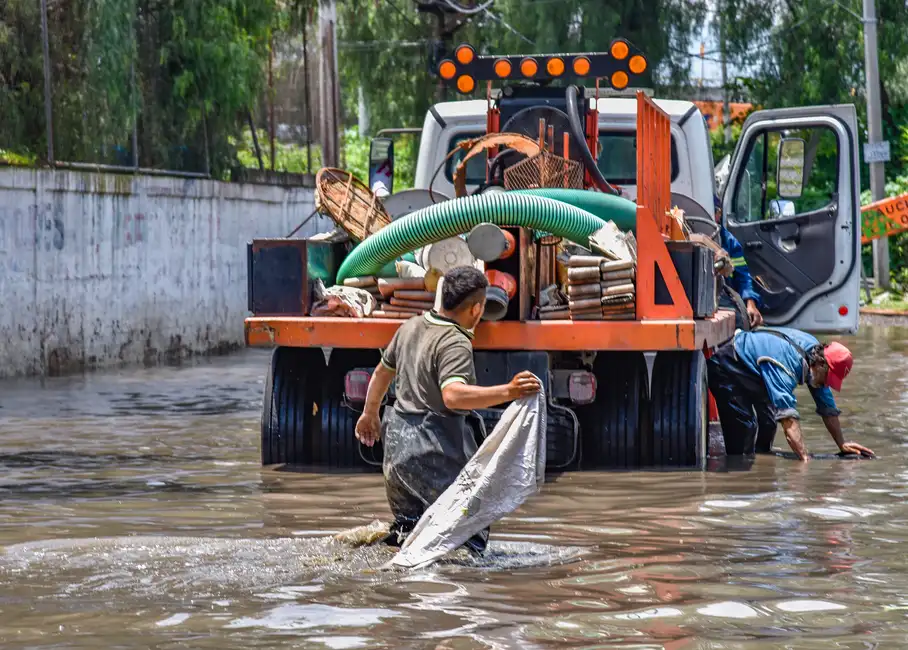
Workers wading through floodwaters near a truck, managing a city crisis after heavy rain.
Licensed Licensed & Bonded
Fully Insured Insured & Bonded
24/7 Emergency Same-Day Response
Warranty Backed 15+ Years Trusted

What Flood Water Removal in Colorado Includes

Every job starts with a written scope so you know exactly what is covered before we start. Extraction, drying, monitoring and documentation are always included. Structural repairs, carpet replacement and mold remediation beyond the affected area are separate scopes, and we will tell you upfront if any of those are needed.

Emergency Water Extraction

Truck-mounted extractors and submersible pumps remove standing water from carpet, hardwood, tile and concrete. We use weighted extraction heads on carpet to pull water from the pad, and we check the subfloor with a moisture meter before moving to the drying phase.
Structural Drying Setup

Commercial dehumidifiers and air movers are placed based on the S500 calculation for the affected square footage. We run them continuously for three to five days, and we log readings daily to confirm the structure is drying on schedule.

Moisture Mapping and Monitoring

Thermal imaging cameras and moisture meters map exactly where the water went, including inside wall cavities and under flooring. You get a copy of the readings at the start and at the end, so you can see the difference in black and white.

Antimicrobial Application

Affected framing and subfloor get treated with antimicrobial spray after extraction. On Category 2 and 3 water, we remove unsalvageable materials first, then treat the exposed cavity. This is what stops mold from growing behind the walls after the job is done.

Insurance Documentation Package

Photo logs, moisture maps, thermal images and a written drying report are compiled and sent to your adjuster. We format it the way carriers expect, which reduces back-and-forth and speeds up claim approval. Most reports go out within 24 hours of job completion.

What Flood Water Removal in Colorado Actually Involves


Flood Water Removal in Colorado is the process of pumping, extracting and drying water from a flooded structure, then verifying with moisture meters that floors, walls and framing are back to safe levels before any repair begins. It is not a shop vac job. Water wicks into subfloor, insulation and drywall within hours, and the drying phase usually takes three to five days with commercial air movers and dehumidifiers running around the clock.

Colorado homes flood for reasons that have nothing to do with rivers. A supply line lets go behind a washing machine at 2 a.m., a sump pump quits during a June hailstorm, or a frozen pipe thaws in a Fairplay crawl space and dumps 40 gallons before anyone notices. When you need emergency flood water removal in Colorado, the first hour matters more than the next ten, because mold can begin colonizing wet drywall in 24 to 48 hours.

How Our Flood Water Extraction Process Works

From the first phone call to the final moisture reading, here is exactly what happens when you hire us for flood water extraction in Colorado.

01

Schedule

Call or book online — a real human picks up and confirms a 2-hour arrival window.

02

Diagnose

Licensed tech inspects on-site, then walks you through the cause and your options.

03

Fix

The job is completed to code and done right the first time — no shortcuts, no surprises.

04

Guarantee

Every job backed by a written workmanship warranty — and we stand behind it.

Equipment and Methods We Use

Tools & Equipment

Truck-Mounted Water Extractor

Pulls hundreds of gallons per hour from carpet and hard flooring. This is the workhorse for any job with more than a puddle, and it is why we can clear a flooded basement in hours instead of days.

Thermal Imaging Camera

Finds water inside wall cavities, under flooring and behind ceilings that a moisture meter alone would miss. We use it during the initial inspection and again before final verification.

Dri-Eaz and Phoenix Dehumidifiers

Commercial-grade LGR dehumidifiers that pull moisture out of the air so wet materials can dry. We size them to the cubic footage of the affected space, not one-size-fits-all.

HEPA Air Scrubber

Captures airborne mold spores and dust during demolition and drying. This is standard on any Category 2 or 3 job, and it protects the rest of the house from cross-contamination.

Moisture Meter and Infrared Thermometer

Confirms whether materials are actually dry or just feel dry. We log readings daily and use them to decide when equipment comes out. The meter, not the calendar, determines when we are done.

Submersible Pump

Removes deep standing water before extraction begins. Used on crawl spaces, basements and any situation where the water is too deep for a standard extractor to handle efficiently.

Methods & Standards

ANSI/IICRC S500 Standard

The industry standard for water damage restoration. It defines how to classify water, calculate drying goals, and document the job. We follow it on every project, which is why our reports hold up with adjusters.

Thermal Mapping and Moisture Verification

We map the affected area with thermal imaging and moisture meters before, during and after drying. This gives you a documented before-and-after that shows the structure actually reached dry standard.

Antimicrobial Treatment

After extraction and demolition, affected framing and subfloor get treated with antimicrobial spray. On contaminated water, this step is not optional. It is what prevents mold from growing behind the walls after the job is done.

Daily Drying Logs

We record moisture readings, temperature and relative humidity every day the equipment runs. You get a copy of the log at the end, and it is part of the documentation package we send to your insurance carrier.

When to Call for Flood Water Removal in Colorado

01

You come home to two inches of water in the basement and the source is not obvious.

What we do: We inspect with thermal imaging to trace the water back to its source, whether that is a slab leak, a failed water heater, or a foundation crack. Then we extract, dry, and tell you what needs to be repaired so it does not happen again.

→ You get a dry basement, a clear answer on what caused it, and documentation for your insurance claim.

02

A pipe froze overnight and you are not sure if it has burst yet.

What we do: We inspect the vulnerable lines, check for hidden moisture in walls and ceilings, and extract any water we find. If the pipe is intact but at risk, we tell you what to do before the next freeze.

→ You either confirm there is no damage or catch a small leak before it becomes a flooded room.

03

A storm pushed water through your window wells and the carpet is soaked.

What we do: We extract the water from carpet and pad, check the subfloor with a moisture meter, and set up drying equipment. If the pad is saturated beyond saving, we remove it and dry the subfloor directly.

→ The carpet is either saved or replaced, and the subfloor is dry before mold has a chance to start.

04

Your water heater let go in the garage and water is running toward the house.

What we do: We shut off the supply, extract the standing water, and dry the affected area. We also check the adjacent wall and floor for wicking, because water travels further than it looks.

→ The garage and adjacent room are dry, and you have a report showing the extent of the damage for your claim.

How Flood Water Removal Works in Colorado

Colorado water damage is seasonal and regional, and the job changes depending on where you are. Front Range homes in Denver, Aurora and Lakewood deal with freeze-thaw cycles that split pipes in exterior walls every January, plus summer hailstorms that push water through window wells. Mountain towns like Evergreen, Fairplay and Cascade-Chipita Park sit at higher elevations where pipes freeze earlier and thaw later, and crawl spaces are common. The Western Slope around Grand Junction and Battlement Mesa sees different patterns, with irrigation line failures and spring runoff. Building stock matters too. Pre-1978 homes in Pueblo and Golden may have lead paint, which is why we operate as an EPA Lead-Safe Certified Firm. If you need same-day flood water extraction in Colorado, call (833) 640-1438 and we will tell you exactly when a crew can be at your address.

Neighborhoods We Serve

  • Washington Park, Denver

    Older homes with original plumbing and finished basements. Supply line failures and water heater leaks are common, and the basements often have carpet over concrete that holds water.

  • Bear Creek, Evergreen

    Hillside properties with crawl spaces and steep driveways. Spring runoff and sump pump failures are the two most common calls we get from this area.

  • Downtown Greeley

    A mix of older commercial and residential buildings. Sewage backups and storm water intrusion are frequent, especially after heavy summer rain.

  • Woodland Park

    Higher elevation means earlier freezes and more frozen pipe calls. Many homes have walkout basements that flood when snowmelt runs toward the foundation.

Local Conditions We Plan For

  • Freeze-thaw cycles from November through March

    Pipes in exterior walls and unheated crawl spaces are vulnerable. We see a spike in frozen pipe calls every January, and the extraction work is often in tight spaces where standard equipment will not fit.

  • Summer monsoon and hailstorms along the Front Range

    Flash flooding pushes water through window wells and door thresholds. Storm calls stack up fast in June and July, so we stage extra equipment in Denver and Greeley during storm season.

  • High-elevation snowmelt in mountain communities

    Spring runoff finds foundation cracks and crawl space openings. Homes in Fairplay, Evergreen and Cascade-Chipita Park often need crawl space extraction and vapor barrier checks after the thaw.

  • Pre-1978 housing stock in older neighborhoods

    Lead paint is present in many homes built before 1978. We operate as an EPA Lead-Safe Certified Firm, which means we follow lead-safe work practices during any demolition or repair.

Burst Supply Line in Denver Basement

Before

A washing machine supply line failed overnight and dumped water across 800 square feet of finished basement. Carpet and pad were saturated, and water had wicked up the drywall about 14 inches. The homeowner called us at 6 a.m.

After

We extracted the standing water, removed the saturated carpet and pad, and cut a 2-foot flood line in the drywall. Five days of drying brought moisture readings back to dry standard. The homeowner replaced the carpet and repainted, and the insurance claim covered the restoration.

Maintenance: Replace rubber washing machine hoses with braided stainless steel lines, and shut off the supply valves when you leave for vacation. A $20 hose is cheaper than a flooded basement.

Before

A June storm overwhelmed a sump pump that had been making noise for weeks. Four inches of water covered a finished basement, including a home office with hardwood flooring. The homeowner discovered it the next morning.

After

We pumped and extracted the water, removed the saturated hardwood, and dried the subfloor and wall cavities. The job took six days because of the hardwood. The homeowner replaced the flooring and installed a battery backup sump pump.

Maintenance: Test your sump pump every spring by pouring a bucket of water into the pit. If it does not kick on immediately, replace it before storm season. A battery backup is worth the cost.

Before

A pipe in an unheated crawl space froze and split during a January cold snap. Water ran into the crawl space for two days before the homeowner noticed the floor above was soft. Insulation and joists were saturated.

After

We pumped the standing water, removed the wet insulation, and ran specialized drying equipment in the crawl space for four days. Moisture readings confirmed the joists were dry. The homeowner insulated the pipes and added heat tape before the next freeze.

Maintenance: Insulate any pipe that runs through an unheated space, and add heat tape on the most vulnerable lines. Check the crawl space after every cold snap for signs of moisture.

Water Problems We Solve Every Week in Colorado

Most of our calls fall into a handful of categories. If any of these sound familiar, call us before the damage spreads. The cost of flood water removal in Colorado is always lower when we get there early.

Problem

Burst pipe floods a finished basement overnight

Carpet, pad, drywall and furniture soak up water for hours before anyone wakes up. By morning, mold risk has already started and the repair scope has doubled.

Our Fix

We extract the standing water, pull saturated carpet and pad, dry the subfloor and wall cavities, and document the loss for insurance. Most overnight burst pipe jobs are dried out within five days, and we tell you upfront what can be saved and what cannot.

Problem

Sump pump fails during a spring storm

Water backs up into the basement fast, and if the pump has been failing for a while, the discharge line may be clogged too. Without extraction, the water sits and wicks into the foundation.

Our Fix

We pump and extract the water, dry the basement to standard, and check the pit and discharge line so you know why it failed. If the pump needs replacing, we will point you to a licensed plumber who can handle that part.

Problem

Frozen pipe thaws and dumps water into a crawl space

Crawl space water wicks into floor joists and insulation, and it rarely dries on its own. Left alone, it becomes a mold problem within a week and can compromise the floor above.

Our Fix

We pump the standing water, run specialized drying equipment in the tight space, and check the vapor barrier. We also identify which pipes are vulnerable so you can insulate or add heat tape before the next freeze.

Problem

Sewage backup contaminates a basement

Category 3 water is hazardous. Anything it touches is contaminated, and a wet/dry vacuum will not make it safe. This is a health issue, not just a cleanup issue.

Our Fix

We suit up in PPE, extract the water, remove unsalvageable materials, apply antimicrobial spray, and run HEPA air scrubbers during demolition. The cavity gets treated before anything is closed back up, and we document the whole process for your adjuster.

Why Colorado Homeowners Call Us First

Why Colorado Homeowners Call Us First

Water damage gets more expensive every hour it sits. Here is what you actually get when you call us instead of waiting until morning.

  • Rapid Statewide Response

    We dispatch crews 24/7 across the Front Range, the Western Slope and the high country. Most metro calls get a technician on site within 60 to 90 minutes, and we stage equipment in Denver, Greeley and Grand Junction so mountain towns are not waiting on a truck from three hours away.

  • Insurance Documentation Done Right

    Every job includes moisture maps, thermal images, photo logs and a written drying report formatted for adjusters. That paperwork is often the difference between a covered claim and a fight. We bill most major carriers directly, so you are not fronting five figures while the claim processes.

  • IICRC-Standard Drying

    We dry to the ANSI/IICRC S500 Standard, which means daily moisture readings, documented drying goals and equipment calibrated to the actual cubic footage of the affected space. No guessing, no pulling gear early because it looks dry. We do not pack up until the meter says the structure is dry.

  • Mold Prevention Built In

    Extraction is only half the job. We apply antimicrobial spray to affected framing and use HEPA air scrubbers to capture airborne spores during demolition. On Category 2 and 3 water, we remove unsalvageable materials and treat the cavity before it ever gets closed back up.

Licensed, Certified and Insured

Licensed & Certified

  • IICRC WRT (Water Restoration Technician) — issued by Institute of Inspection, Cleaning and Restoration Certification
  • IICRC ASD (Applied Structural Drying) — issued by Institute of Inspection, Cleaning and Restoration Certification
  • IICRC AMRT (Applied Microbial Remediation) — issued by Institute of Inspection, Cleaning and Restoration Certification
  • EPA Lead-Safe Certified Firm — issued by U.S. Environmental Protection Agency
  • OSHA 10-Hour Construction Safety — issued by Occupational Safety and Health Administration

Verified Reviews

Google ★★★★★4.9

Called at 11 p.m. after a pipe burst in the ceiling. They were here in 45 minutes, extracted the water, and set up drying equipment. The daily check-ins were thorough and the insurance report was detailed. Would absolutely call them again.

Yelp ★★★★★4.8

Sewage backup in our basement was a nightmare. These guys handled it professionally, removed everything contaminated, and treated the whole area. They explained every step and the price matched the quote. Highly recommend for any water emergency.

BBB ★★★★★4.9

We had a crawl space flood from a frozen pipe. They pumped it out, dried the joists, and even pointed out where we needed better insulation. Fair pricing and no pressure to add services we did not need.

Google ★★★★★5.0

Storm pushed water into our basement through a window well. They extracted it, dried the carpet, and saved us from having to replace the whole floor. Documentation was good enough that insurance covered everything except the deductible.

15 Years of Colorado Water Damage Work

CO Water Remover Pros has been extracting and drying Colorado structures since 2011. That is 15 years of frozen pipe calls in January, monsoon-season basement floods in July, and everything in between. Our technicians hold IICRC WRT (Water Restoration Technician) and IICRC ASD (Applied Structural Drying) certifications, and several carry AMRT for microbial remediation work. We operate as an EPA Lead-Safe Certified Firm, which matters on pre-1978 housing stock common in Denver, Golden and Pueblo. Every crew member completes OSHA 10-Hour Construction Safety training before running a job site.

  • IICRC WRT and ASD certified technicians on every extraction and drying crew
  • EPA Lead-Safe Certified Firm, required for pre-1978 homes in Denver and Pueblo
  • OSHA 10-Hour Construction Safety trained crews on every job site
  • Direct insurance billing with photo documentation formatted for adjusters
  • Equipment staged in Denver, Greeley and Grand Junction for statewide response
Get Started Today
15 Years of Colorado Water Damage Work

Cities We Serve for Flood Water Removal in Colorado

We cover the entire state, from the Front Range metro to the Western Slope and the high country. Whether you need emergency flood water removal Colorado or a scheduled extraction after a slow leak, we have crews staged to reach you. Here are some of the communities we serve most often.

Denver

Denver's older housing stock and freeze-thaw cycles keep us busy with burst pipes and water heater failures. We handle basement extractions, crawl space pumping, and full structural drying across the metro.

Greeley

Greeley sees sewage backups and storm water intrusion after heavy summer rain. We extract, treat contaminated areas, and document everything for insurance claims. Crews are staged nearby for fast response.

Evergreen

Evergreen's hillside homes and crawl spaces flood from spring runoff and sump pump failures. We pump standing water, dry tight spaces, and check vapor barriers to prevent mold growth.

Woodland Park

Woodland Park sits at higher elevation, so frozen pipes are a year-round risk. We extract water from walkout basements and crawl spaces, and we identify vulnerable lines before the next freeze.

Battlement Mesa

Battlement Mesa properties deal with irrigation line failures and spring runoff. We extract standing water, dry the structure, and document the loss for Western Slope insurance adjusters.

Briggsdale

Briggsdale's rural properties often have crawl spaces and outbuildings that flood. We pump, extract, and dry, and we work with rural water systems and well lines to find the source.

Cascade-Chipita Park

Cascade-Chipita Park homes deal with snowmelt and frozen pipes at high elevation. We extract water from basements and crawl spaces, and we insulate vulnerable lines before the next cold snap.

Cotopaxi

Cotopaxi's rural setting means well line failures and storm runoff. We extract water from crawl spaces and basements, dry the structure, and check for mold risk before closing up.

Eagle

Eagle sees freeze-thaw cycles and spring runoff that find foundation cracks. We extract water, dry the affected area, and document the damage for insurance claims in the Vail Valley.

Fairplay

Fairplay's high elevation and cold winters make frozen pipes a constant threat. We extract water from crawl spaces and basements, dry the joists, and recommend insulation and heat tape before the next freeze.

What Colorado Homeowners Say

Real experiences from customers who chose our Flood Water Removal services.

“A supply line behind our washer let go at 11 p.m. and flooded half the basement. CO Water Remover Pros had a tech here in under an hour. They pumped it out, set up dehumidifiers, and came back every day to check readings. The insurance report they wrote was thorough enough that our adjuster approved the claim without a second visit.”

M

Marcus T.

Homeowner, Denver

“Our sump pump failed during a June storm and we had four inches of water in a finished basement. They extracted everything, cut out the wet drywall, and treated the framing. Five days later the meter read dry. They also pointed out the discharge line was clogged, which is why the pump failed in the first place.”

S

Sandra K.

Homeowner, Evergreen

“We manage 14 rental units and have used these guys three times now. Frozen pipe in January, sewage backup in the spring, and a roof leak last fall. Every time they documented the job properly and billed the insurance directly. Having one company that handles all of it saves me a lot of phone calls.”

D

Dave R.

Property Manager, Greeley

Frequently Asked Questions About Flood Water Removal in Colorado

Real answers to the questions we hear most often from local homeowners and property managers.

How much does flood water removal cost in Colorado?
Most residential jobs run $1,200 to $4,500 in 2026, depending on square footage, water category and how long drying takes. A small basement with clean water might land near $1,200, while a 1,500-square-foot finished basement with sewage contamination can exceed $6,000. Insurance typically covers the extraction and drying portion when the loss is sudden and accidental.
Who do I call for flood water extraction in Colorado?
Call a licensed restoration company that carries IICRC certifications and can bill your insurance directly. CO Water Remover Pros at (833) 640-1438 dispatches 24/7 statewide. Avoid calling a general handyman for standing water, because extraction and structural drying require commercial equipment and documented moisture readings that adjusters will not accept from an unqualified contractor.
How long does flood water removal take in Colorado?
Extraction usually takes two to four hours for a typical basement. The drying phase runs three to five days with dehumidifiers and air movers running continuously. Total project time from call to final moisture verification is usually four to seven days. Crawl spaces and homes with dense materials like tile over concrete can run longer.
Does insurance cover flood water removal in Colorado?
Most homeowner policies cover sudden and accidental water damage, including burst pipes, water heater failures and appliance supply line breaks. Standard policies exclude river flooding, which requires separate NFIP or private flood coverage. We document every job for adjusters and bill most major carriers directly, so you are not paying out of pocket while the claim processes.

Related Water Removal Services

Burst Pipe Water Removal

A burst supply line can dump 40 gallons a minute into your home. We shut off the source, extract standing water, and dry the structure before the damage spreads to adjacent rooms. Most burst pipe calls in Colorado involve washing machine hoses and failing shutoff valves.

View Burst Pipe Water Removal

Frozen Pipe Water Removal

Colorado's freeze-thaw cycles split pipes in unheated crawl spaces and exterior walls. We extract the water, dry the cavity, and identify which lines are vulnerable so you can insulate or add heat tape before the next cold snap. January calls spike every year.

View Frozen Pipe Water Removal

Basement Water Removal

Finished basements are the most expensive room to lose. We extract water from carpet, pad and subfloor, then dry the wall cavities behind drywall. If the drywall is saturated above the flood cut line, we remove it and treat the framing before closing it back up.

View Basement Water Removal

Storm Water Removal

Hailstorms and flash flooding push water through window wells, door thresholds and foundation cracks. We pump, extract and dry after the storm passes, and we document the loss for insurance. Summer storm calls in the Denver metro can stack up fast, so call early.

View Storm Water Removal

Sewage Water Removal

Sewage backups are Category 3 water, which means contaminated and hazardous. We extract with PPE, remove unsalvageable materials, apply antimicrobial spray, and use HEPA air scrubbers during demolition. This is not a job for a wet/dry vacuum and a shop fan.

View Sewage Water Removal

Crawl Space Water Removal

Standing water in a crawl space wicks into floor joists and insulation, and it rarely dries on its own. We pump it out, run specialized drying equipment in the tight space, and check the vapor barrier. Left alone, crawl space water becomes a mold problem within a week.

View Crawl Space Water Removal

Need Flood Water Removal in Colorado Right Now?

Every hour water sits, the damage gets worse and the repair bill gets bigger. Call (833) 640-1438 and we will dispatch a crew to your address, day or night. We answer 24/7, we bill insurance directly, and we do not leave until the moisture meter says the job is done.

Call (833) 640-1438 Get Emergency Help

Call Us for Water Removal in Colorado

We answer the phone 24/7, including holidays and the middle of the night. Tell us what happened and where you are in Colorado, and we will dispatch the closest crew. Most metro calls get a tech on site within 60 to 90 minutes.

Or call us right now at (833) 640-1438 — we answer.

CO Water Remover Pros


  • Address

    Serving Statewide, Colorado

  • Hours

    Mon–Fri: 7AM – 7PM
    Sat: 8AM – 4PM
    Sun: Emergency Only
    24/7 Emergency Available

Call (833) 640-1438 Get Quote
Call Quote