CO Water Remover Pros
Get Estimate

Sewage Water Removal in Colorado - Fast, Safe, Code-Correct

24/7 sewage water extraction in Colorado, from the Front Range to the mountains


Sewage Water Removal in Colorado means pulling contaminated black water out of your home, sanitizing everything it touched, and drying the structure before mold takes hold. We handle backed-up mains, failed septic lines, and basement sewage floods for homeowners and property managers statewide. Our crews roll 24/7 with truck-mounted extractors, HEPA air scrubbers, and IICRC-certified techs. Call (833) 640-1438 and we'll be on the road.

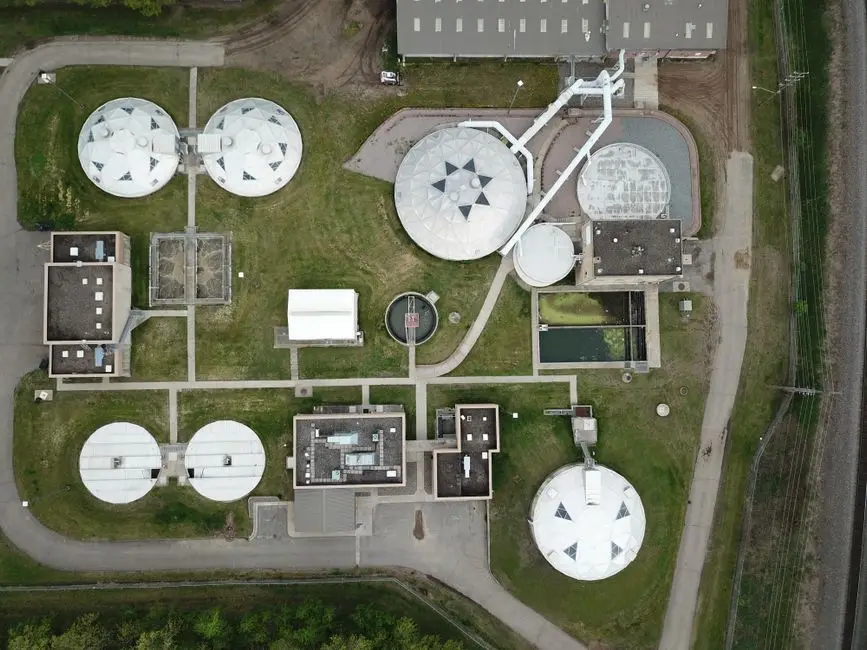
Aerial view of a structured water treatment plant showcasing various components.
Licensed Licensed & Bonded
Fully Insured Insured & Bonded
24/7 Emergency Same-Day Response
Warranty Backed 15+ Years Trusted

What's Included in Our Sewage Water Removal Service

Every sewage job we run includes the full Category 3 protocol - extraction, disposal, sanitization, and verified drying. If the source line needs repair, we coordinate that with a licensed plumber. Below is what's covered on a standard call.

Emergency Extraction and Disposal

Truck-mounted water extractors and portable extraction units pull standing black water fast. Contaminated carpet, pad, drywall, and insulation get cut out, bagged, and disposed of per Colorado solid waste regulations. We don't leave contaminated material sitting in your driveway.

Antimicrobial and Sanitizing Treatment

Every surface the sewage touched gets treated with EPA-registered antimicrobial spray and sanitizing solution. We fog wall cavities, wipe framing, and treat the subfloor. HEPA air scrubbers run throughout to capture airborne bacteria and particulates.

Structural Drying with Daily Monitoring

Dri-Eaz and Phoenix Restoration Equipment dehumidifiers and air movers run until the structure hits dry standard. We check moisture meters and thermal imaging readings daily and give you the log. Typical dry time is 3-5 days.

Containment and Air Quality Control

Plastic sheeting isolates the contaminated zone from the rest of the house. HEPA air scrubbers and negative air pressure keep sewage particles from migrating into living areas. We don't tear down containment until air quality tests clean.

Insurance Documentation Package

Photos of every affected surface, daily moisture logs, an itemized scope of work, and material disposal records. Everything your adjuster needs to approve the claim without a second visit. We bill most major carriers direct.

What Sewage Water Removal in Colorado Actually Involves


Sewage Water Removal in Colorado is the controlled extraction, disposal, and disinfection of Category 3 black water - the stuff that backs up out of a main line, a septic tank, or a floor drain during a storm. It is not a shop vac job. Raw sewage carries bacteria, viruses, and parasites, so every step follows the ANSI/IICRC S500 Standard: contain the area with plastic sheeting, extract with a truck-mounted water extractor, remove saturated drywall and insulation, then treat every surface with antimicrobial spray before drying begins.

Colorado homeowners call us for the same handful of scenarios: a basement floor drain backing up during spring snowmelt, a sewer lateral collapsing under a 1950s Denver bungalow, a septic system overwhelmed after a week of guests. If you're searching for emergency sewage water removal in Colorado at 2 a.m., that's exactly what we do. We've run calls from Boulder County foothills to the Eastern Plains since 2011, and we know how Front Range clay soil and freeze-thaw cycles wreck sewer lines.

Our 5-Step Sewage Water Removal Process

Every job follows the same disciplined sequence. Here's exactly what happens from the moment you call until the last air mover shuts off.

01

Schedule

Call or book online — a real human picks up and confirms a 2-hour arrival window.

02

Diagnose

Licensed tech inspects on-site, then walks you through the cause and your options.

03

Fix

The job is completed to code and done right the first time — no shortcuts, no surprises.

04

Guarantee

Every job backed by a written workmanship warranty — and we stand behind it.

Equipment and Methods We Use

Tools & Equipment

Truck-Mounted Water Extractor

Pulls hundreds of gallons per hour from standing black water. The workhorse for basement and commercial sewage backups where volume is high and speed matters.

Portable Extraction Unit

Used in crawl spaces, tight hallways, and upper floors where the truck can't reach. Same extraction power in a smaller footprint.

Submersible Pump

Moves large volumes of standing water from sump pits and deep basement flooding before extraction begins.

Thermal Imaging Camera and Moisture Meter

Finds hidden moisture behind walls and under floors. We use both to verify dry standard before pulling equipment - not just to check if the surface feels dry.

HEPA Air Scrubber

Captures airborne bacteria, mold spores, and particulates released during sewage extraction. Runs continuously during the job and until air quality tests clean.

Dri-Eaz and Phoenix Restoration Equipment Dehumidifiers

Industrial LGR dehumidifiers pull moisture from framing, subfloor, and air. Paired with air movers to dry the structure in 3-5 days.

Antimicrobial Spray and Sanitizing Solution

EPA-registered products applied to every surface the sewage touched. Kills bacteria, viruses, and fungi that survive extraction.

Methods & Standards

ANSI/IICRC S500 Standard

The industry standard for water damage restoration. It defines Category 3 black water handling, extraction protocols, drying targets, and documentation requirements. Every sewage job we run follows it.

ANSI/IICRC S520 Standard

The mold remediation standard. When sewage damage has led to microbial growth, we follow S520 for containment, removal, and clearance testing.

Containment and Negative Air Pressure

Plastic sheeting isolates the contaminated zone. HEPA air scrubbers create negative pressure so sewage particles can't migrate into clean areas of the home. Containment stays up until air quality verifies clean.

Daily Moisture Monitoring and Documentation

We log moisture meter and thermal imaging readings every day and give you the record. Drying equipment doesn't come out until readings hit dry standard - not when the floor feels dry to the touch.

When to Call for Sewage Water Removal in Colorado

01

You wake up to two inches of black water in the basement and a sewage smell coming from the floor drain.

What we do: Call us immediately at (833) 640-1438. Don't run water, don't flush toilets, and keep everyone out of the basement. We dispatch a crew with a truck-mounted extractor and full PPE. Typical arrival is 60-90 minutes across the Front Range.

→ Contaminated water is extracted, affected materials removed, and sanitization begins the same day. Most jobs are dry within 3-5 days.

02

Your commercial building has a sewage backup in a restroom and you need it operational before tomorrow's business hours.

What we do: We run commercial sewage jobs with larger crews and additional extraction equipment. We contain the area, extract, sanitize, and set drying equipment overnight. If the space needs to be partially operational, we stage containment so unaffected areas stay open.

→ Restroom is decontaminated and dry, or a clear timeline is set. Most commercial restroom backups are back in service within 24-48 hours.

03

A rental property you own in Colorado Springs has a sewage backup and the tenant is threatening to break the lease.

What we do: We respond 24/7, document everything for your insurance claim, and communicate directly with the tenant about the timeline. We extract, sanitize, and dry - and provide a written scope so the tenant knows exactly what's happening and when it'll be done.

→ Property is restored, tenant is reassured with a documented timeline, and your insurance claim is filed with adjuster-ready paperwork.

04

You had a sewage backup three weeks ago, cleaned it yourself with a wet/dry vacuum, and now there's a musty smell and dark spots on the baseboards.

What we do: That's mold growth from incomplete drying and no antimicrobial treatment. We inspect with a thermal imaging camera and moisture meter, contain the affected area, remove mold-damaged materials per ANSI/IICRC S520, and treat with antimicrobial.

→ Mold is remediated, the source moisture is dried, and air quality is verified clean before containment comes down.

How Sewage Water Removal Works in Colorado

Colorado's sewage problems are shaped by three things: soil, freeze-thaw cycles, and building age. The expansive clay soil along the Front Range shifts with every wet-dry cycle, cracking the clay and cast-iron sewer laterals that serve most pre-1980 homes. When the ground freezes in January, those already-stressed lines are more likely to block or break. And when spring snowmelt hits in April, the combination of saturated soil and overwhelmed municipal systems pushes sewage back into basements from Boulder to Fountain. Mountain towns like Dillon and Coaldale deal with a different problem - frozen sewer lines and septic systems that can't handle the freeze. If you're looking for same-day sewage backup cleanup in Colorado, we run crews positioned along the I-25 corridor and into the mountains so we can reach most addresses within 90 minutes. We know which jurisdictions require permits for material disposal, and we handle that paperwork.

Neighborhoods We Serve

  • Boulder

    Older Mapleton Hill and Whittier neighborhoods have clay sewer laterals that crack with root intrusion. We see backups here every spring.

  • Parker

    Newer builds with finished basements and sump pits. When the pit fails during a storm, 800+ square feet of carpet and drywall get soaked.

  • Black Forest

    Rural properties on septic systems. Overload after heavy rain or a week of guests is the most common call we get here.

  • Fountain

    Monsoon-season storms overwhelm the municipal system and push sewage back through floor drains in older ranch homes.

  • Golden

    Hillside homes with gravity sewer lines that can back up when the slope shifts after a wet spring.

Local Conditions We Plan For

  • Expansive clay soil along the Front Range

    Shifts with wet-dry cycles and cracks clay or cast-iron sewer laterals. This is the number one cause of residential sewage backups in the Denver metro and Boulder County.

  • Hard freezes from December through February

    Frozen sewer lines block flow and cause backups. Thawing requires steam equipment - never open flame - and often reveals a pre-existing crack that needs repair.

  • Spring snowmelt and monsoon-season storms

    Saturated soil and overwhelmed municipal systems push sewage back into basements. April and July-August are our busiest months for emergency sewage calls.

  • Aging housing stock in older Colorado neighborhoods

    Pre-1980 homes often have original clay laterals, galvanized supply lines, and undersized floor drains. All three increase sewage backup risk.

Boulder Basement Sewage Backup Restored

Before

A collapsed clay sewer lateral backed four inches of raw sewage into a finished 700-square-foot Boulder basement. Carpet, pad, and 24 inches of drywall were saturated. The homeowner called at 11 p.m.

After

Crew arrived in 75 minutes. Extracted 180 gallons, removed contaminated materials, treated with antimicrobial, and ran dehumidifiers for four days. Moisture readings hit dry standard on day four. Insurance approved the full claim.

Maintenance: We recommended annual camera inspection of the sewer lateral and a backwater valve installation to prevent future backups.

Before

A failed sump pump during a June storm flooded 800 square feet of finished basement in Parker. Standing water was 3 inches deep and had wicked into baseboards and carpet pad.

After

Extracted 240 gallons with a truck-mounted unit, cut out saturated drywall to 18 inches, treated with antimicrobial spray, and set 12 air movers and 3 dehumidifiers. Dry standard reached on day five.

Maintenance: Installed a battery-backup sump pump and recommended quarterly pit testing before storm season.

Before

A rural Fountain property on septic had a tank backup that pushed sewage into a utility room and hallway. Contaminated water covered 200 square feet and soaked into concrete and vinyl flooring.

After

Crew arrived same day, extracted 60 gallons, removed vinyl and baseboards, treated concrete with antimicrobial, and dried in three days. Septic tank was pumped and inspected before the family moved back in.

Maintenance: Recommended annual septic pumping and a filter on the tank outlet to catch solids before they reach the drain field.

Colorado Sewage Problems We Solve Every Week

Sewage backups in Colorado come from a predictable set of failures. Here's what we see most and how we handle it.

Problem

Sewer lateral collapse under older Front Range homes

Clay and cast-iron laterals from the 1940s-60s crack and shift with Colorado's expansive clay soil. Raw sewage backs up into the lowest drain in the house - usually a basement floor drain.

Our Fix

We extract the backup, sanitize the affected area, and coordinate a camera inspection with a Colorado Master Plumber-licensed contractor to locate the break. Once the line is repaired, we finish drying and verify the structure is clean.

Problem

Frozen sewer lines during January cold snaps

When a sewer lateral freezes, waste has nowhere to go. It backs up into the house. Thawing a frozen line without proper equipment can crack it, turning a $400 thaw into a $12,000 excavation.

Our Fix

We extract the interior backup and treat contamination first. Then we bring in pipe insulation and heat tape expertise or refer to a plumber with steam-thawing equipment. We never apply open flame to a sewer line.

Problem

Sump pump failure during spring snowmelt

A failed sump pump during April runoff can flood a basement with groundwater - or with sewage if the pit ties into a floor drain. Either way, standing water destroys drywall, carpet, and stored belongings within hours.

Our Fix

We extract with a submersible pump and truck-mounted unit, test for contamination, and treat as Category 3 if sewage is present. We also diagnose the pump failure and can install a replacement or backup system.

Problem

Septic system overload after heavy use

Rural Colorado properties on septic systems - Calhan, Elizabeth, Black Forest - can overload after a week of guests or a heavy rain event. The tank backs up into the lowest fixture in the house.

Our Fix

We extract the interior backup, sanitize, and dry. Then we coordinate septic pumping and inspection so the system is functional before you move back in.

Why Colorado Homeowners Call Us First

Why Colorado Homeowners Call Us First

Sewage backups don't wait for business hours, and neither do we. Here's what you get when you call CO Water Remover Pros.

  • 24/7 Emergency Response

    We answer the phone at 2 a.m. on a Sunday in January. Crews are dispatched within the hour across most of the Front Range, and we arrive with a truck-mounted water extractor and portable extraction units ready to work. Every hour sewage sits, contamination spreads further into framing and subfloor.

  • Licensed and Certified Crews

    Our technicians hold IICRC WRT (Water Restoration Technician) and IICRC AMRT (Applied Microbial Remediation) certifications. We work alongside Colorado Master Plumber-licensed contractors to fix the source - because extracting the water without repairing the failed sewer lateral just means you'll call us again next month.

  • Full Sanitization, Not Just Extraction

    Pumping out the water is half the job. We apply EPA-registered antimicrobial spray to every affected surface, run HEPA air scrubbers to capture airborne pathogens, and verify with moisture meters and a thermal imaging camera before we call the job dry. That's what separates real sewage backup cleanup Colorado work from a guy with a wet/dry vacuum.

  • Direct Insurance Billing

    Most Colorado homeowner policies cover sudden sewage backup - but only if you document properly. We photograph everything, log moisture readings, and provide the itemized scope your adjuster needs. We've worked with every major carrier and can usually bill direct so you're not fronting five figures out of pocket.

Licensed, Certified, and Documented

Licensed & Certified

  • IICRC WRT (Water Restoration Technician) — issued by Institute of Inspection, Cleaning and Restoration Certification
  • IICRC ASD (Applied Structural Drying) — issued by Institute of Inspection, Cleaning and Restoration Certification
  • IICRC AMRT (Applied Microbial Remediation) — issued by Institute of Inspection, Cleaning and Restoration Certification
  • EPA Lead-Safe Certified Firm — issued by U.S. Environmental Protection Agency
  • OSHA 10-Hour Construction Safety — issued by Occupational Safety and Health Administration

Verified Reviews

Google ★★★★★4.9

Called at midnight with sewage backing up into our basement. Crew arrived in about an hour, contained the area, and had the water out by 3 a.m. They came back daily to check moisture and didn't pull equipment until everything was dry. Professional from start to finish.

Google ★★★★★4.8

We had a sewer lateral collapse that flooded our finished basement in Boulder. They handled everything - extraction, demolition, sanitizing, drying - and worked directly with our insurance adjuster. Claim approved without a fight. Highly recommend.

BBB ★★★★★4.9

Sewage backup in a rental property in Parker. They documented everything, communicated with the tenant, and had the place dry and decontaminated in five days. Billing was straightforward and matched the original quote.

Yelp ★★★★★4.7

After a storm our sump pit backed up with sewage in Fountain. They showed up same day, extracted everything, sprayed antimicrobial, and set up air movers. Four days later, no smell, no mold, moisture readings all normal. Fair price for the work.

Colorado Cities We Serve for Sewage Water Removal

CO Water Remover Pros runs sewage water extraction Colorado-wide, with crews positioned along the Front Range, the I-70 mountain corridor, and the Eastern Plains. Whether you're dealing with a collapsed sewer lateral in Boulder or a failed septic system in Calhan, we bring the same equipment, certifications, and 24/7 dispatch. Here are some of the communities we serve most often.

Boulder

Older Boulder neighborhoods have clay sewer laterals that crack with root intrusion and soil movement. We run emergency sewage extraction here year-round, usually within 60-75 minutes of your call.

Golden

Golden's hillside homes and older downtown properties see gravity sewer backups after wet springs. We extract, sanitize, and dry - and coordinate lateral repair with a licensed plumber.

Parker

Parker's newer builds with finished basements are vulnerable to sump pump failures and floor drain backups. We handle full Category 3 extraction and drying, usually within 90 minutes.

Ault

Ault and the surrounding Weld County farm properties often run on septic systems. When a tank overloads, we extract the interior backup, sanitize, and coordinate pumping and inspection.

Black Forest

Black Forest properties are rural and septic-dependent. We handle sewage backups from overloaded systems and coordinate with local septic services to get the system functional again.

Calhan

Calhan's rural homes and ranches deal with septic backups and frozen sewer lines. We extract, treat contamination, and dry the structure - even in remote Eastern Plains locations.

Coaldale

Coaldale and the Arkansas River valley see frozen sewer lines and septic issues in winter. We run crews into the mountains with portable extraction equipment for tight-access properties.

Dillon

Dillon's mountain condos and seasonal properties face frozen sewer laterals and snowmelt backups. We extract, sanitize, and dry - and we know the local disposal requirements.

Elizabeth

Elizabeth's rural properties on septic systems see backups after heavy use or wet weather. We extract, sanitize, and coordinate septic service so the system is working before you move back in.

Fountain

Fountain's older ranch homes and monsoon-season storms create floor drain backups. We extract same day, treat as Category 3, and dry the structure in 3-5 days.

What Colorado Customers Say

Real experiences from customers who chose our Sewage Water Removal services.

“Our sewer lateral collapsed under the front yard and backed up four inches of raw sewage into the basement at 11 p.m. CO Water Remover Pros had a crew here in about 75 minutes. They contained the area, extracted everything, cut out the ruined drywall, and ran dehumidifiers for four days. The insurance adjuster said it was the cleanest documentation he'd seen all year.”

M

Marcus T.

Homeowner, Boulder

“We manage 14 rentals and sewage backups are the call nobody wants. These guys handled a bad one in Parker - tenant had flushed wipes, main line clogged, black water across 800 square feet of finished basement. They extracted, sanitized, dried it out in five days, and billed the landlord's carrier direct. I've used them three times since.”

S

Sandra K.

Property Manager, Parker

“After the June storms our sump pit backed up with sewage and flooded the utility room and half the hallway. They showed up same day, pulled everything out with a truck-mounted unit, sprayed antimicrobial everywhere, and set up air movers. Took four days to dry. No mold, no smell. Worth every dollar.”

D

Dale R.

Homeowner, Fountain

Frequently Asked Questions About Sewage Water Removal in Colorado

Real answers to the questions we hear most often from local homeowners and property managers.

How much does sewage water removal cost in Colorado?
Most residential sewage water removal jobs in Colorado run $1,800 to $6,500 in 2026, depending on volume and how far contamination spread. A single-room backup with minimal material removal sits at the low end. A finished basement with 6 inches of black water, saturated drywall, and contaminated carpet pushes toward the top. Insurance typically covers sudden backups if you have the endorsement.
Who do I call for sewage water extraction in Colorado?
Call a licensed water restoration company that handles Category 3 black water - not a general handyman or a carpet cleaner. You need IICRC-certified technicians, truck-mounted extraction equipment, and antimicrobial treatment capability. Call CO Water Remover Pros at (833) 640-1438. We dispatch 24/7 and handle the insurance paperwork for you.
Is sewage water removal dangerous in Colorado?
Yes. Raw sewage is Category 3 water - it carries E. coli, hepatitis, salmonella, and parasites. Never wade into it, never let kids or pets near it, and don't run your HVAC system because it spreads contaminants through the house. Turn off power to the affected area if you can reach the breaker safely, then get out and call us. We handle the removal with full PPE and HEPA filtration.
Does insurance cover sewage water removal in Colorado?
Most Colorado homeowner policies cover sudden sewage backup if you purchased the sewer backup endorsement - typically $5,000 to $25,000 in coverage. Standard policies without that endorsement usually exclude it. We document everything with photos and moisture logs, bill your carrier directly when possible, and walk you through the claim so nothing gets denied on a technicality.

Related Water Removal Services

Flood Water Removal

Storm flooding and sewage backups often hit together - floodwater overwhelms the municipal system and pushes sewage back into basements. We handle both in one dispatch, extracting floodwater and treating any contaminated zones with the same Category 3 protocol.

View Flood Water Removal

Burst Pipe Water Removal

A burst supply line is Category 1 clean water, but if it sits long enough it becomes Category 2 and can grow mold in 48 hours. We extract, dry, and verify - and if the burst line was near a sewer drain, we test for cross-contamination before closing the job.

View Burst Pipe Water Removal

Frozen Pipe Water Removal

Colorado freeze-thaw cycles split pipes every winter. When a frozen line thaws and floods a basement near a floor drain, the water can mix with sewer gas and bacteria. We extract fast, check for contamination, and treat accordingly.

View Frozen Pipe Water Removal

Basement Water Removal

Basements are where sewage backups land. We pull standing water with truck-mounted extractors, cut out saturated drywall, and dry the slab and framing. If the backup came from a floor drain, we treat the whole area as Category 3.

View Basement Water Removal

Storm Water Removal

After a Front Range hailstorm or a Plains gully-washer, stormwater can infiltrate the sewer system and back up into homes. We extract stormwater, identify whether sewage is present, and treat accordingly - because the two often arrive together.

View Storm Water Removal

Crawl Space Water Removal

Crawl space sewage backups are the worst-case scenario - low clearance, poor ventilation, and contaminated vapor rising into living space. We use portable extraction units and submersible pumps, then treat the soil and joists with antimicrobial spray.

View Crawl Space Water Removal

Need Sewage Water Removal in Colorado Right Now?

Every hour you wait, black water wicks further into framing, subfloor, and wall cavities. Call (833) 640-1438 and we'll dispatch a certified crew with a truck-mounted extractor and full sanitization equipment. Licensed, insured, and answering 24/7 across Colorado.

Call (833) 640-1438 Call Now

Call Us for Water Removal in Colorado

We answer the phone 24/7, including holidays and the middle of the night. Tell us what happened and where you are in Colorado, and we will dispatch the closest crew. Most metro calls get a tech on site within 60 to 90 minutes.

Or call us right now at (833) 640-1438 — we answer.

CO Water Remover Pros


  • Address

    Serving Statewide, Colorado

  • Hours

    Mon–Fri: 7AM – 7PM
    Sat: 8AM – 4PM
    Sun: Emergency Only
    24/7 Emergency Available

Call (833) 640-1438 Get Quote
Call Quote