CO Water Remover Pros
Get Estimate

Roof Leak Water Removal in Colorado

Fast extraction, ceiling drying and leak control across the state


Roof Leak Water Removal in Colorado means pulling standing water out of ceilings, attics and walls before it spreads, then drying the structure so mold never gets a foothold. We run truck-mounted extractors and thermal cameras from Grand Junction to Frederick, day or night. If a storm, ice dam or failed flashing is dripping into your home right now, we stop the water and dry what is wet.

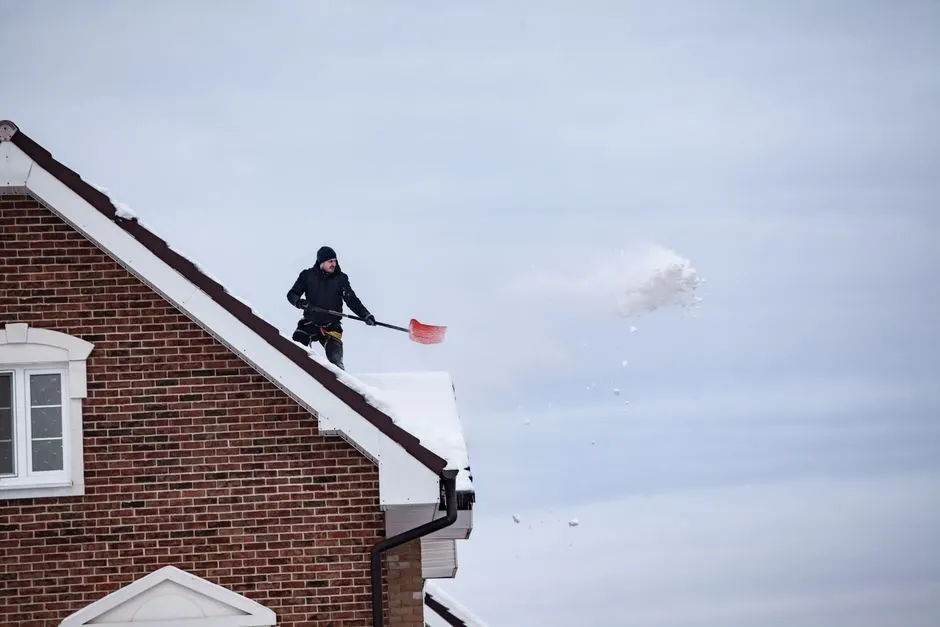
A man shoveling snow off a rooftop, indicating winter outdoor activity.
Licensed Licensed & Bonded
Fully Insured Insured & Bonded
24/7 Emergency Same-Day Response
Warranty Backed 15+ Years Trusted

What Roof Leak Water Removal in Colorado Includes

Every job starts with a full inspection and ends with verified dry readings. Here is what is covered in a standard roof leak water removal visit, and what we handle as a separate scope when the damage calls for it.

Moisture Mapping and Inspection

We inspect the attic, ceiling and affected rooms with a moisture meter and thermal imaging camera to find every wet zone. This takes 20 to 40 minutes and tells us exactly how far the water traveled before we touch anything.
Standing Water Extraction

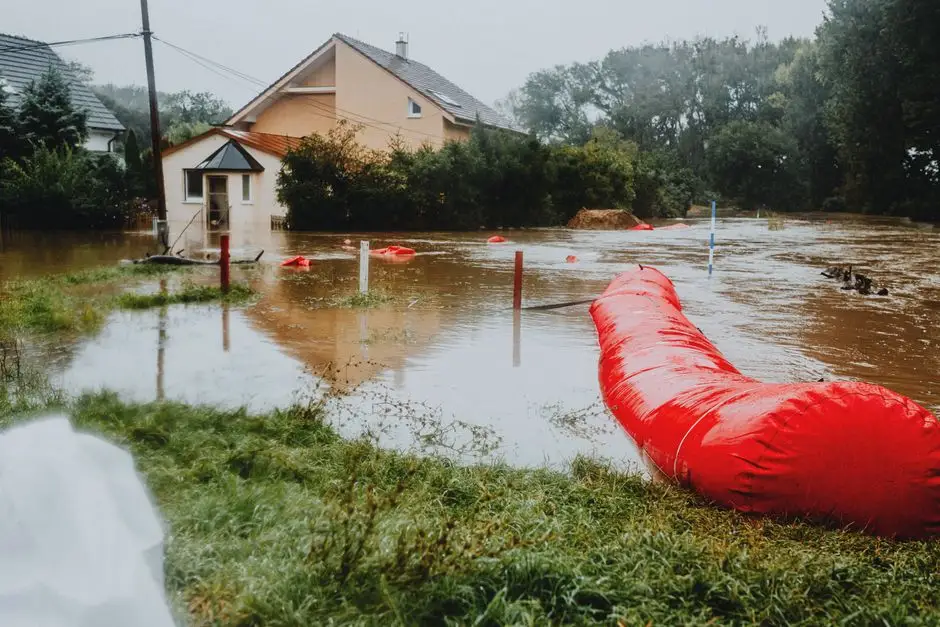
Truck-mounted water extractors and portable extraction units pull water out of ceilings, walls and floors. For deep pools we use a submersible pump first. Extraction on a typical ceiling leak runs one to three hours.

Structural Drying Setup

We place air movers and dehumidifiers sized to the wet area and run them until materials hit a dry standard. A standard dry-out takes three to five days, and we check readings daily and adjust equipment as needed.

Antimicrobial Treatment

Wet framing and drywall get an antimicrobial spray to head off mold growth after water damage. We also run a HEPA air scrubber in occupied areas to reduce airborne spores while drying is underway.

Leak Stabilization

We tarp or otherwise stabilize the roof leak area so water stops entering while we dry. That keeps the dry-out from being undone by the next rain before your roofer makes permanent repairs.

Documentation for Insurance

You get photos, moisture readings and a written scope of work you can hand to your adjuster. Clear documentation is what gets a roof leak damage restoration claim approved without back-and-forth.

What Roof Leak Water Removal in Colorado Involves


Roof Leak Water Removal in Colorado is the process of extracting water that has entered through a failed roof, then drying the ceiling, insulation and framing it soaked. Water rarely stays where it lands. It travels along joists, pools above drywall, and shows up as a brown ring three rooms away. We use moisture meters and a thermal imaging camera to map exactly how far it spread, then pull it out with a truck-mounted water extractor and portable extraction units.

Colorado homes take a beating from hail, wind-driven rain and spring snowmelt. Ice dams form along eaves in January, shingles crack after a June hailstorm, and the next hard rain finds the gap. That is when you need roof leak water extraction Colorado homeowners can call at 2 a.m. We have run calls in Estes Park after a windstorm tore off flashing and in Wheat Ridge after a slow drip turned into a soaked ceiling. Waiting a day turns a dry-out into a rebuild.

How Our Roof Leak Water Removal Process Works

Five steps, from the first phone call to a dry, verified structure. You will know what is happening at every stage.

01

Schedule

Call or book online — a real human picks up and confirms a 2-hour arrival window.

02

Diagnose

Licensed tech inspects on-site, then walks you through the cause and your options.

03

Fix

The job is completed to code and done right the first time — no shortcuts, no surprises.

04

Guarantee

Every job backed by a written workmanship warranty — and we stand behind it.

Equipment and Methods We Use

Tools & Equipment

Truck-Mounted Water Extractor

Pulls large volumes of standing water fast from ceilings and floors. It handles the bulk of the job so portable units can focus on tight spaces.

Thermal Imaging Camera

Reveals water hidden behind drywall and inside wall cavities by showing temperature differences. It is how we find the wet zones you cannot see.

Moisture Meter

Measures moisture content in drywall, wood and insulation. We use it to map the wet area and to confirm the structure is dry before we leave.

Dri-Eaz Dehumidifiers

Pull moisture out of the air so wet materials can release their water. Sized to the affected area and run until readings hit a dry standard.

Air Movers

Direct high-volume airflow across wet surfaces to speed evaporation. Positioned to reach ceilings, walls and cavities, then adjusted as materials dry.

HEPA Air Scrubber

Filters airborne mold spores and dust in occupied areas during drying. Keeps the air cleaner while we work and reduces the risk of spores settling elsewhere.

Submersible Pump

Drops into deep standing water to move volume quickly before extraction. Used with a sump pump discharge hose when a roof failure dumps a lot of water at once.

Methods & Standards

ANSI/IICRC S500 Standard

The industry standard for water damage restoration. It guides how we classify the water, size drying equipment, and verify that materials are dry. Following it is what makes our dry-out defensible to an insurance adjuster.

Thermal Mapping

We scan ceilings, walls and attics with a thermal imaging camera to find hidden moisture. This catches water that has traveled away from the visible leak, so we dry the whole problem instead of just the obvious spot.

Daily Moisture Monitoring

We check readings every day during the dry-out and adjust equipment as materials release moisture. This keeps the job on a three-to-five-day track instead of dragging on with equipment that is no longer doing the work.

Antimicrobial Application

We apply antimicrobial spray to wet framing and drywall to head off mold growth. Applied after extraction and before drying, it protects the structure while moisture levels come down.

When to Call for Roof Leak Water Removal

01

A windstorm peels back flashing and rain pours into the attic overnight.

What we do: We dispatch a crew immediately, tarp the leak area to stop more water coming in, then extract from the attic floor and dry the framing and insulation. We work through the night so the damage does not compound.

→ Water is out the same night, drying equipment is running by morning, and you have documentation for your insurance claim.

02

An ice dam forms along the eaves in January and water backs up under the shingles.

What we do: We trace the water path with thermal imaging, extract from wall cavities and ceilings, and dry the structure. We check for a moisture barrier and flag insulation that needs replacing.

→ The wall cavity dries without mold, and you know exactly what your roofer needs to fix before the next freeze.

03

A slow drip from cracked flashing has been staining the ceiling for a week.

What we do: We map how far the water spread, extract from above the ceiling, and dry the drywall and joists. We verify with moisture meters before calling it done.

→ The ceiling dries without sagging, and you avoid a full drywall replacement.

04

A hailstorm cracks shingles and the next hard rain soaks a bedroom ceiling.

What we do: We extract the water, set drying equipment sized for the room, and treat the framing with antimicrobial spray. Daily monitoring keeps the dry-out on track.

→ The room is dry in three to five days, and your claim is documented from day one.

How Roof Leak Water Removal Works in Colorado

Colorado roof leaks follow the seasons. In November we are already into freeze-thaw territory, and the calls shift to ice dams and snowmelt finding bad flashing. Spring brings wind-driven rain and hail that cracks shingles, and summer thunderstorms dump water fast enough to overwhelm a roof in minutes. Building stock matters too. Older homes in Wheat Ridge and Centennial often have original decking and minimal attic ventilation, which traps moisture longer. Mountain homes in Bailey, Como and Dumont deal with heavy snow loads and freeze cycles that work flashing loose year after year. We size drying equipment for altitude and low humidity, which changes how fast materials release water. If you need roof leak water extraction before winter freezes in Colorado, call now rather than waiting for the first hard freeze to lock the problem in place.

Neighborhoods We Serve

  • Applewood

    Older Wheat Ridge homes here have mature trees that drop debris on roofs, clogging drainage and backing water under shingles.

  • Willow Creek

    Centennial subdivisions with steep rooflines shed water fast, but failed flashing at valleys sends it straight into ceilings.

  • Downtown Estes Park

    Mountain snow loads and freeze-thaw cycles work flashing loose, and ice dams form along eaves through January and February.

  • Redlands

    Grand Junction's dry climate and wind-driven dust storms can crack seals around roof penetrations, letting rain in during summer storms.

Local Conditions We Plan For

  • Freeze-thaw cycles from November through March

    Water seeps into small cracks, freezes, expands and opens them wider. By spring, a pinhole leak has become a real entry point, and we see the damage show up as ceiling stains weeks later.

  • Hailstorms along the Front Range in late spring

    Hail cracks shingles and dents flashing, and the next rain finds every weak spot. We get a spike in roof leak calls in the days after a storm, often across whole neighborhoods at once.

  • High-altitude snow loads in mountain towns

    Heavy snow sits on roofs for weeks and works flashing and seals loose. When it melts, water follows the path of least resistance into attics and wall cavities.

  • Low humidity and fast evaporation at altitude

    Materials on the surface dry quickly, which can hide moisture still trapped deeper in framing. We rely on moisture meters and thermal imaging rather than touch to confirm a real dry-out.

Hail-Damaged Ceiling in Centennial

Before

A June hailstorm cracked shingles over a bedroom, and the next rain soaked a 12-foot section of ceiling. The stain was spreading and the drywall was starting to sag. The homeowner had a bucket under the drip and was worried about mold.

After

We extracted the water, dried the ceiling and joists over four days, and treated the framing with antimicrobial spray. Moisture readings returned to a dry standard, and the drywall held without replacement. The homeowner's claim was approved with our documentation.

Maintenance: Have a roofer replace the damaged shingles before the next storm, and check the attic after any hail event for signs of water.

Before

An ice dam formed along the eaves in January and pushed water under the shingles and down inside a wall. The homeowner noticed a stain near the baseboard but had no idea how far the water had traveled. The wall cavity had been wet for days.

After

Thermal imaging traced the water path up the wall. We extracted from the cavity, dried it with directed air over five days, and treated the framing. The wall dried without mold, and the homeowner knew exactly what the roofer needed to fix.

Maintenance: Keep gutters clear before winter and consider heat tape along vulnerable eaves to reduce ice dam formation.

Before

A windstorm peeled back flashing on a rental property, and rain poured into the attic overnight. The property manager found wet insulation and a soaked ceiling the next morning. Water had spread across a 20-foot section of attic floor.

After

We tarped the leak area, extracted the standing water, removed unsalvageable insulation, and dried the framing and decking over four days. The property manager got a written report for the owner and the insurance claim.

Maintenance: Schedule a roof inspection after any major windstorm and replace damaged flashing before the next rain.

Roof Leak Problems We Solve in Colorado

Roof leaks cause more than a wet spot. Here are the problems we see most often and how we handle them before they get worse.

Problem

Ceiling stains spreading after a storm

A brown ring means water is pooling above the drywall. Left alone, the ceiling sags, cracks and eventually collapses, dumping water and insulation into the room.

Our Fix

We map the wet zone with a moisture meter, extract water from above the ceiling, and dry the drywall and joists. If the drywall is too far gone, we tell you straight so you can plan the repair.

Problem

Wet attic insulation holding moisture

Saturated insulation loses its R-value and traps moisture against framing. That is a direct path to mold growth after water damage and rotting roof decking.

Our Fix

We extract what we can, remove unsalvageable insulation, and dry the framing and decking with air movers. We check readings daily until the structure is dry, then document it for your records.

Problem

Ice dam water backing into walls

Ice dams push water under shingles and down inside walls where you cannot see it. By the time a stain shows up, the wall cavity has been wet for days.

Our Fix

We use thermal imaging to trace the water path inside the wall, extract from the cavity, and dry it with directed air. We also treat framing with antimicrobial spray to stop mold before it starts.

Problem

Mold appearing weeks after a leak

Mold can start growing on wet drywall in 24 to 48 hours. Once it takes hold, you are looking at remediation costs far higher than a simple dry-out.

Our Fix

We dry fast and verify with meters, which is the real defense against mold. If mold is already present, we handle it under ANSI/IICRC S520 guidance and treat affected areas with antimicrobial spray.

Why Colorado Homeowners Call Us First

Why Colorado Homeowners Call Us First

Water from a roof leak does its worst damage in the first 24 to 48 hours. Here is what you get when you call us instead of waiting it out.

  • Water Out Same Day

    We run emergency roof leak water removal Colorado-wide, 24/7, with a typical on-site window of 60 to 90 minutes in the Denver metro. Standing water comes out the same visit, and we set drying equipment before we leave so the structure starts drying that night.

  • Ceiling and Attic Drying

    Extraction is only half the job. We place air movers and dehumidifiers to pull moisture out of drywall, insulation and joists, checking with a moisture meter until readings match a dry standard. That is how you avoid a ceiling that sags two weeks later.

  • Mold Stopped Early

    Mold can start growing on wet drywall in 24 to 48 hours. We apply antimicrobial spray to affected framing and run a HEPA air scrubber to knock down airborne spores. Catching it in the first day or two is the difference between a dry-out and a demolition.

  • Insurance Paperwork Handled

    We document moisture readings, photos and a scope of work you can hand straight to your adjuster. Most homeowner policies cover sudden roof leak damage restoration, and clear documentation is what gets the claim approved without a fight.

Licensed, Certified and Accountable

Licensed & Certified

  • IICRC WRT (Water Restoration Technician) — issued by Institute of Inspection, Cleaning and Restoration Certification
  • IICRC ASD (Applied Structural Drying) — issued by Institute of Inspection, Cleaning and Restoration Certification
  • IICRC AMRT (Applied Microbial Remediation) — issued by Institute of Inspection, Cleaning and Restoration Certification
  • OSHA 10-Hour Construction Safety — issued by Occupational Safety and Health Administration
  • Colorado Contractor License — issued by State of Colorado

Verified Reviews

Google ★★★★★4.9

Called after a storm soaked our ceiling. Crew arrived within the hour, extracted the water and set dryers. They checked readings every day and explained what they were doing. Four days later everything was dry and documented for our insurance.

Yelp ★★★★★4.8

Ice dam pushed water into our attic in January. They found wet insulation we did not know about with a thermal camera and dried the whole area. No mold, no drama, fair price. Would call them again without hesitation.

BBB ★★★★★4.9

Property manager here. Had a roof leak at a rental and they were on site by 7:30 a.m. after my 6 a.m. call. Extracted, dried and gave me a written report for the owner. Professional and straight with pricing.

Cities We Serve for Roof Leak Water Removal

We cover roof leak water removal in Colorado from the Western Slope to the Front Range and the mountains. Whether you are in a Grand Junction ranch house or a Frederick subdivision, we bring the same equipment, the same certified technicians and the same verified dry standard. Call and we will tell you how fast we can get a crew to your address.

Grand Junction

Western Slope homes deal with wind-driven dust and summer storms that crack roof seals. We extract and dry fast so a small leak does not become a ceiling rebuild.

Centennial

Hailstorms hammer Centennial roofs in late spring. We handle post-storm roof leak extraction and dry ceilings and attics before mold gets a chance to start.

Wheat Ridge

Older Wheat Ridge homes have mature trees and aging roofs. We trace hidden moisture with thermal imaging and dry wall cavities that have been wet for days.

Bailey

Mountain snow loads in Bailey work flashing loose year after year. We extract from attics and walls and dry at altitude, where materials release moisture differently.

Boone

Boone's rural setting means fewer contractors nearby. We make the drive, extract the water and dry the structure with the same equipment we use in the metro.

Carr

Carr sits in open country where wind and hail hit roofs hard. We respond to storm-driven leaks and dry attics and ceilings before water spreads further.

Como

Como's high-altitude freeze-thaw cycles open small roof leaks into big ones. We extract, dry and treat framing so a winter leak does not turn into spring mold.

Dumont

Dumont homes face heavy snow and ice dams along the eaves. We trace the water path, extract from wall cavities and dry the structure to a verified standard.

Estes Park

Estes Park snow loads and freeze cycles loosen flashing and seals. We handle ice dam leaks and dry attics and walls before the next storm adds more water.

Frederick

Frederick's newer subdivisions still get hail and wind damage. We extract from ceilings and attics, dry fast and document everything for your insurance claim.

What Colorado Homeowners Say

Real experiences from customers who chose our Roof Leak Water Removal services.

“A June hailstorm cracked our shingles and the next rain came straight through the ceiling. CO Water Remover Pros had a truck here in about an hour, pulled the water out and set dryers. Four days later the moisture readings were back to normal. They documented everything and our claim went through without a single question.”

M

Marcus T.

Homeowner, Centennial

“We had an ice dam push water into the attic in January. They found wet insulation we did not even know about with a thermal camera and dried the whole area. I was worried about mold, but they treated the framing and verified it was dry before packing up. Straight answers the whole way.”

D

Dana R.

Homeowner, Estes Park

“I manage several rentals and a roof leak at one of them turned into a soaked ceiling overnight. Called at 6 a.m., crew was on site by 7:30. They extracted, dried and gave me a written report I could send to the owner. Fair price, no upsell, and they actually showed up when they said they would.”

B

Bill K.

Property Manager, Wheat Ridge

Roof Leak Water Removal Questions Colorado Homeowners Ask

Real answers to the questions we hear most often from local homeowners and property managers.

How much does roof leak water removal cost in Colorado?
Most residential roof leak water removal jobs in Colorado run $500 to $2,500 in 2026, depending on how much area is wet and how long drying takes. A single ceiling leak with a small wet zone sits at the low end. Water that spread through an attic, insulation and multiple rooms pushes toward the top. We give you a firm price before we start, and we document everything for your insurance claim.
Who do I call for roof leak water extraction in Colorado?
Call CO Water Remover Pros at (833) 640-1438. We handle roof leak water extraction Colorado-wide, 24 hours a day, and we dispatch a crew rather than routing you through a national call center. Have your address and a quick description of the leak ready, and we will tell you what to do while we are on the way.
How do I stop a roof leak before water removal in Colorado?
You cannot safely stop most roof leaks from the ground, so focus on containing the water. Move furniture and electronics out of the way, put buckets under the drip, and if the ceiling is bulging, poke a small hole in the center to let water drain in a controlled spot instead of collapsing. Then call us. We tarp and stabilize the leak area before extraction so water stops spreading.
Does insurance cover roof leak water removal in Colorado?
Most homeowner policies cover sudden and accidental roof leak damage, including extraction and drying, though gradual leaks you ignored for months are often excluded. We document moisture readings, photos and a scope of work your adjuster can use directly. We work with all major carriers and can talk through the claim process with you so nothing gets missed.

Other Water Removal Services We Offer

Flood Water Removal

When a roof leak is part of a larger storm event, flood water removal handles the ground-level water while we handle the ceiling. We run both at once so your whole home dries on one schedule instead of two.

View Flood Water Removal

Burst Pipe Water Removal

A burst pipe and a roof leak often hit the same house in the same week. We extract from both sources, dry shared wall cavities, and make sure one problem does not re-wet what the other just dried.

View Burst Pipe Water Removal

Frozen Pipe Water Removal

Colorado freeze-thaw cycles crack pipes in attics and exterior walls. When a frozen pipe bursts near a roof leak zone, we handle the water from both and check insulation while we are up there.

View Frozen Pipe Water Removal

Basement Water Removal

Roof leak water travels down. If it reaches your basement, we extract standing water there too and dry the slab and framing, so a ceiling leak does not turn into a basement mold problem.

View Basement Water Removal

Storm Water Removal

Hail and windstorms drive water through damaged roofs and windows at the same time. Our storm water removal crews coordinate with roof leak extraction so every entry point is handled in one visit.

View Storm Water Removal

Sewage Water Removal

If a roof leak floods a utility area or bathroom and mixes with sewage, the job becomes a contaminated water category. We handle sewage water removal with the right protective gear and disposal, separate from clean roof leak water.

View Sewage Water Removal

Get Roof Leak Water Removal in Colorado Now

Water is spreading while you read this. Call (833) 640-1438 and we will dispatch a crew, extract the water and start drying today. Licensed, insured and answering 24/7.

Call (833) 640-1438 Call Now

Call Us for Water Removal in Colorado

We answer the phone 24/7, including holidays and the middle of the night. Tell us what happened and where you are in Colorado, and we will dispatch the closest crew. Most metro calls get a tech on site within 60 to 90 minutes.

Or call us right now at (833) 640-1438 — we answer.

CO Water Remover Pros


  • Address

    Serving Statewide, Colorado

  • Hours

    Mon–Fri: 7AM – 7PM
    Sat: 8AM – 4PM
    Sun: Emergency Only
    24/7 Emergency Available

Call (833) 640-1438 Get Quote
Call Quote