Residential Water Removal in Black Hawk
Most of our Black Hawk Water Removal work is residential. The housing stock here ranges from 1890s mining-era Victorians to 1970s cabins to newer custom homes on the slopes. Each type has its own vulnerabilities. Older homes have galvanized plumbing and uninsulated crawl spaces. Newer homes have more complex systems but still face the same freeze-thaw cycles. If you live in Black Hawk year-round, you've probably dealt with at least one water issue. If you own a vacation rental, the risk is higher because no one is there to catch a leak early.
- Emergency frozen pipe extraction — When a pipe bursts in your Black Hawk home, we shut off the water, extract what's already escaped, and set drying equipment. We also apply heat tape and insulation to vulnerable lines so the same pipe doesn't freeze again next winter. We've done this in homes from Gregory Gulch to Russell Gulch.
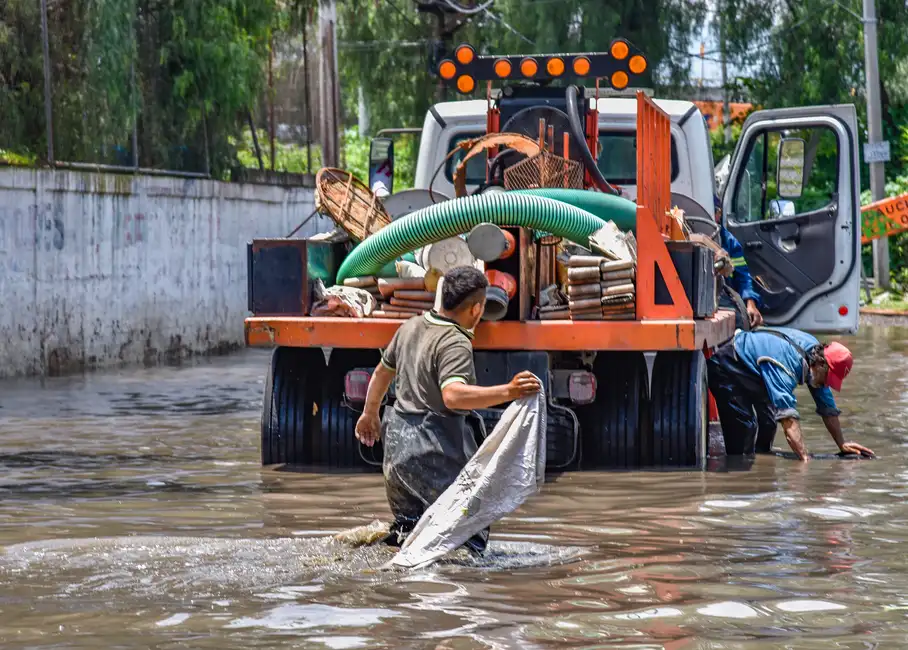
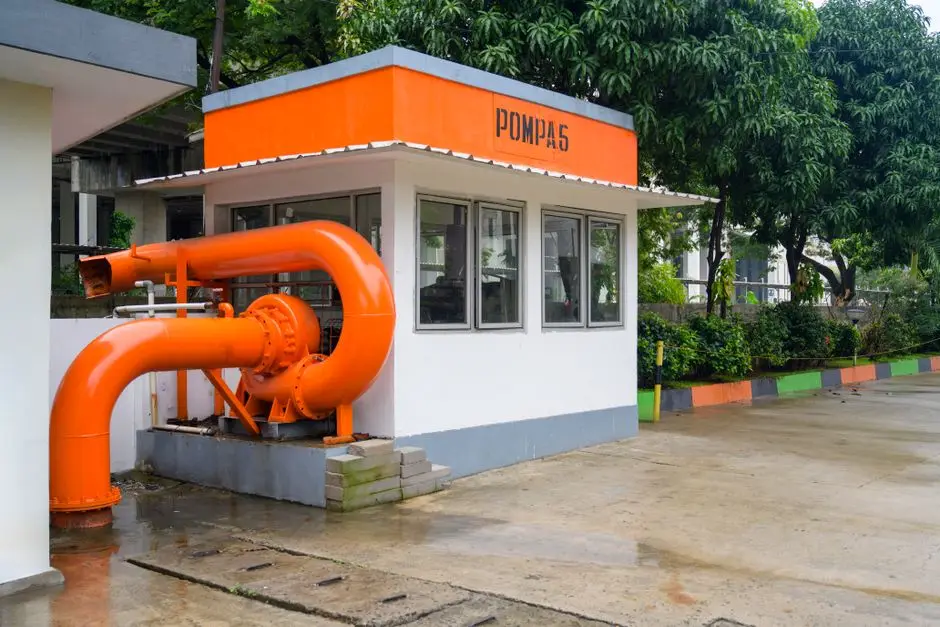
- Basement and crawl space drying — Black Hawk basements and crawl spaces are often damp because of poor drainage and high water tables in spring. We extract standing water with submersible pumps, remove saturated materials, and set desiccant dehumidifiers that work in cold temperatures. We also install moisture barriers to keep the space dry long-term.
- Sewage backup cleanup — Sewage backups are a health hazard, and they're more common in older Black Hawk homes with cast-iron drain lines. We treat these as Category 3 water losses, which means full protective gear, antimicrobial spray, sanitizing solution, and HEPA air scrubbers. We also document the job for your insurance claim.
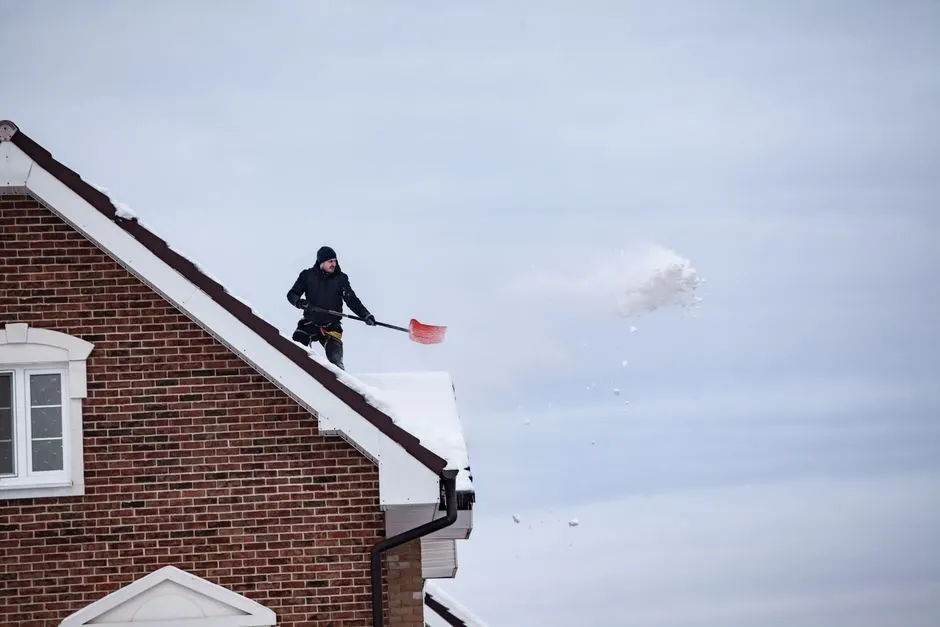
- Roof leak and ice dam water removal — Ice dams form when heat escapes through your roof and melts snow, which then refreezes at the eaves. The water backs up under shingles and leaks into your ceiling. We extract the water, dry the structure, and use thermal imaging to show your roofer exactly where the leak is coming from.